Grading4 min read
A cracked, scratched or tampered slab: what to check and what to do
Surface scratches, cracks, an opened seal: what changes for the grade, how to recognise a reopened slab and what to do if the damage arrives in the post.
The Pokechrono editorial teamPublished 28 September 2026
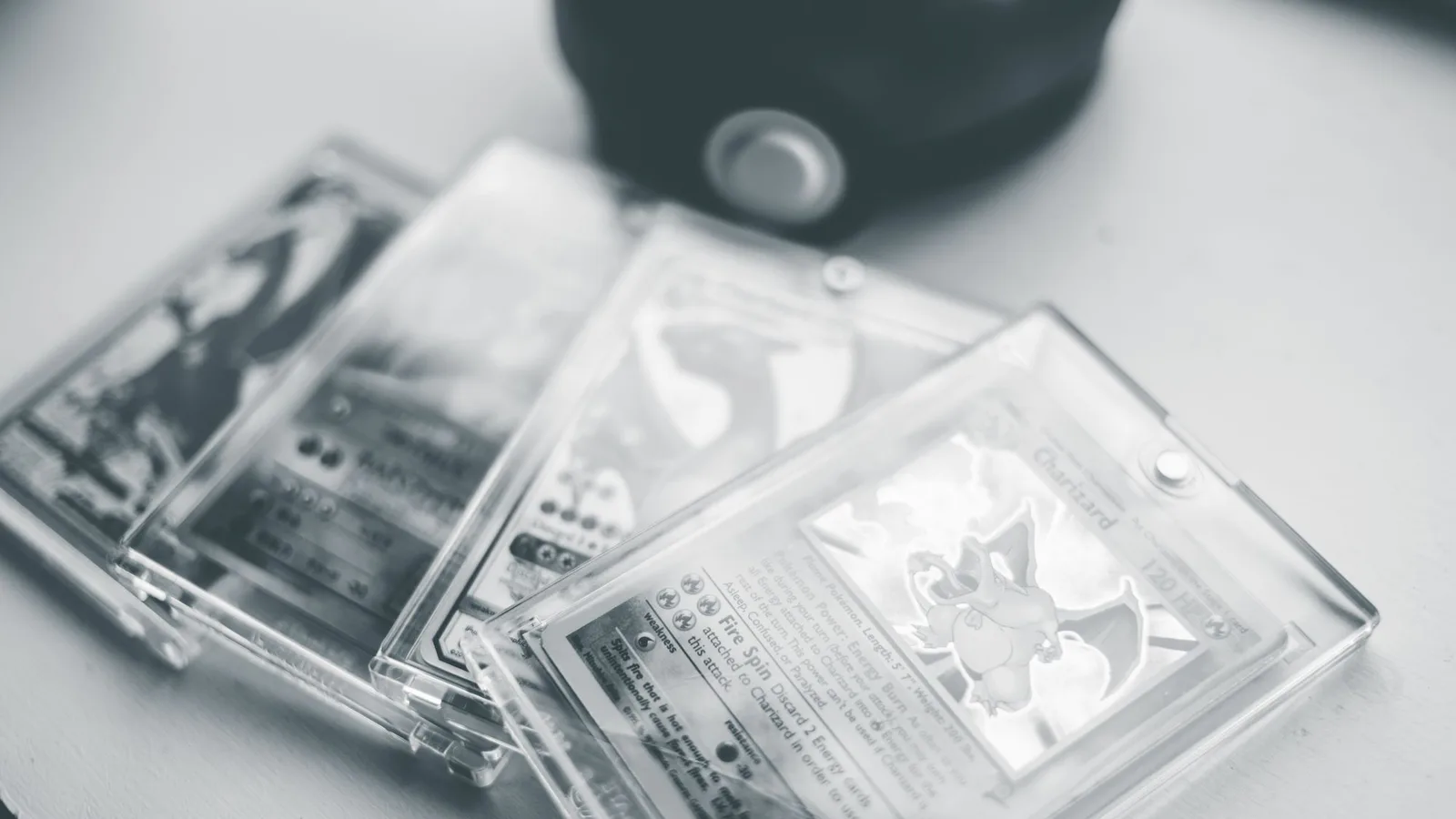
A scratch on the holder does not touch the grade: the card inside is the same and the certificate remains valid. A crack, a corner that has given way or an opened seal do: from that moment the grading company no longer guarantees that the card is the one it graded, and the value goes back to that of a raw card waiting to be regraded. Telling the two cases apart is the first thing to learn.
Scratches on the holder: when they are normal
The slab is a rigid, transparent plastic holder, ultrasonically welded along the edge. Plastic scratches: against another slab, against the wood of a drawer, against the buckle of a bag. These are surface marks, visible in raking light, that do not reach the card.
They can be reduced with a microfibre cloth and a plastic polish, with light circular movements. They change nothing about the grade, and anyone buying a used slab should expect a few. A perfect holder is an aesthetic pleasure, not an extra guarantee.
When the grade is no longer guaranteed
The grade is tied to the integrity of the seal. If the weld along the edge is cracked, if a corner has opened, if the holder flexes or if the card moves inside, the grading company no longer answers for the correspondence between certificate and contents. The card might still be the same one, in perfect condition, but nobody can prove it any more.
The same goes for a holder clouded by an impact, with radiating cracks, or with a label that has shifted. In all these cases the market treats the card as ungraded, with the certificate as a clue and not as proof.
How to recognise a reopened slab
A slab can be opened and closed again, and some people do it to swap the card. The signs to look for are along the weld: an irregular line, glossy areas different from the rest, traces of glue, an edge that does not fit together perfectly. In raking light the original weld is uniform around the whole perimeter.
Then the label: it must be centred in its seat, with no bubbles, creases or lifted corners. And finally the card: it must sit still in its inner compartment, with no room to move. If one of these details does not convince you, checking the certificate on the grading company's website is the next step, and the photograph registered by PSA, when there is one, lets you compare centring and small marks with the copy in front of you. Our expert does exactly this on every slab that arrives in the lab, as we describe in how we verify.
Damage in transit: what to do in the first minutes
If the parcel arrives crushed, wet or open, photograph the outside before touching it: shipping label, deformations, tape. Then open it and photograph every layer, down to the slab. Only then examine it. These images are what the insurer and the seller need to acknowledge the damage.
If the holder is cracked, do not try to open it to save the card: the card is better off inside, and opening it removes any possibility of a claim. Write to the seller the same day, with the photos and the tracking number.
The reholder: having the grading company remake the holder
When the holder is damaged but the seal is intact, PSA offers a holder replacement service, the reholder: the card is extracted by the grading company itself, checked and resealed in a new slab with the same certificate number and the same grade. It is the proper way to restore a scratched slab or one with a chipped corner.
If the seal is open, on the other hand, the route is a new grading submission, with a new number and a grade that might not be the same. That is why an opened slab loses value even when the card is flawless.
How we ship
On Pokechrono every slab is photographed in the studio after the expert's verification, front, back and corners, and those photos are on the auction listing. Before shipping, the expert checks it again and packs it in a rigid box with custom-cut foam; the shipment is insured and tracked.
On delivery you have 48 hours to compare what you receive with the photos on the listing and with the grading company's register. If the holder has arrived damaged, you write to us with the images and we take care of it, as described in how it works. For any doubt about a slab, even one not bought from us, the contact page is open.
- slab
- PSA
- shipping
- reholder
- grading
Frequently asked questions
Does a scratch on the slab lower the card's value?
No. Surface scratches on the plastic are normal, do not reach the card and do not affect the grade. They can be reduced with a microfibre cloth and a plastic polish. Only cracks, opened corners and a damaged seal count.
Can a damaged slab be replaced?
Yes, if the seal is intact: PSA offers a reholder service that extracts the card, checks it and reseals it in a new holder with the same number and the same grade. If the seal is open, a new grading submission is needed, with a new number.
What do I do if the slab arrives broken after shipping?
Photograph the closed parcel, then every layer of the packaging, then the slab, before touching anything else. Do not open the holder. Write to the seller the same day with the photos and the tracking number: these are the documents the insurer needs.
Sources
Read next
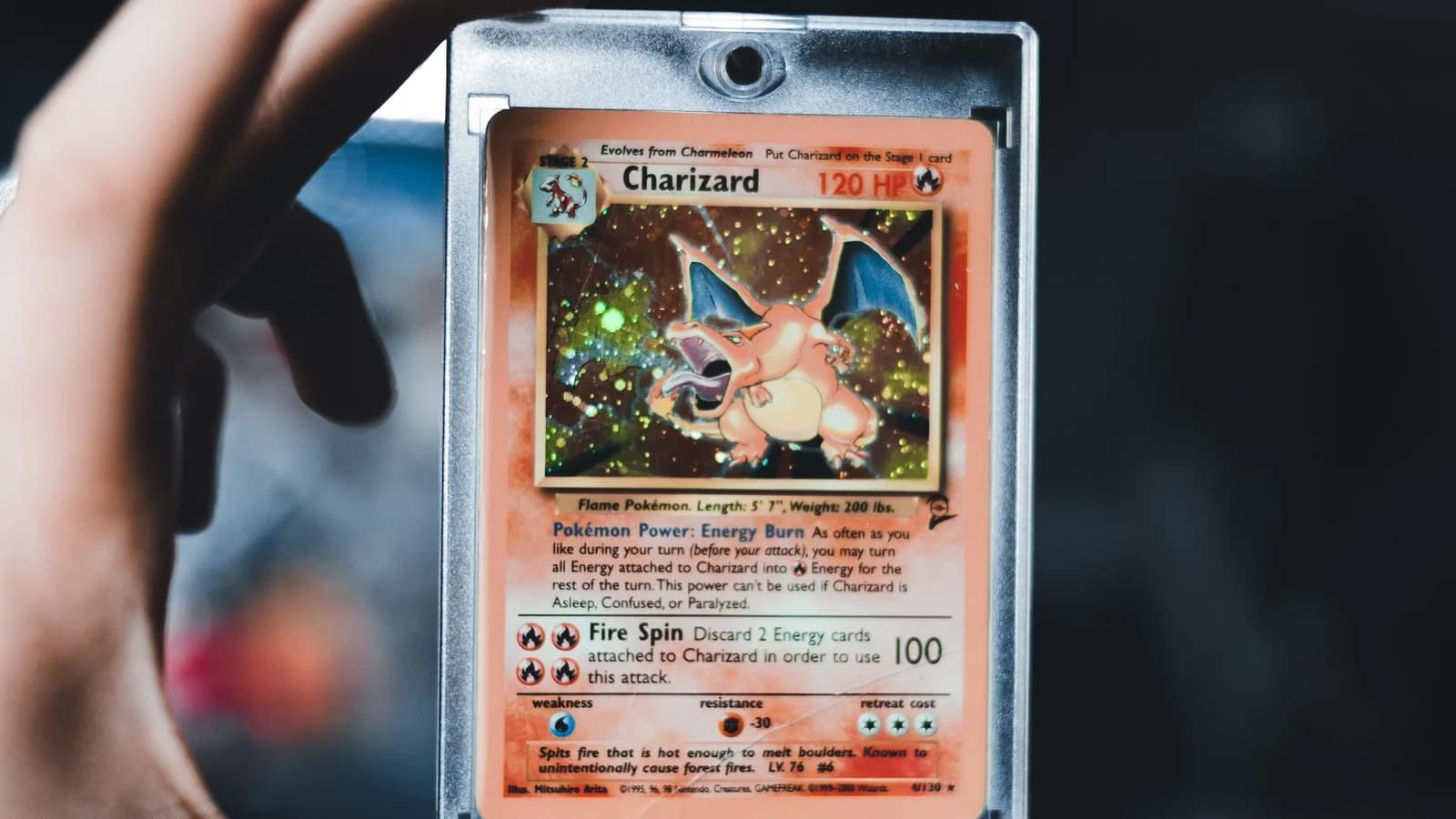
Grading5 min read
PSA, BGS, CGC: the differences and which grading counts on the market
Scales, labels, slabs and liquidity of the three grading companies, why Pokechrono chose PSA 10 as its standard and how to verify every certificate online.
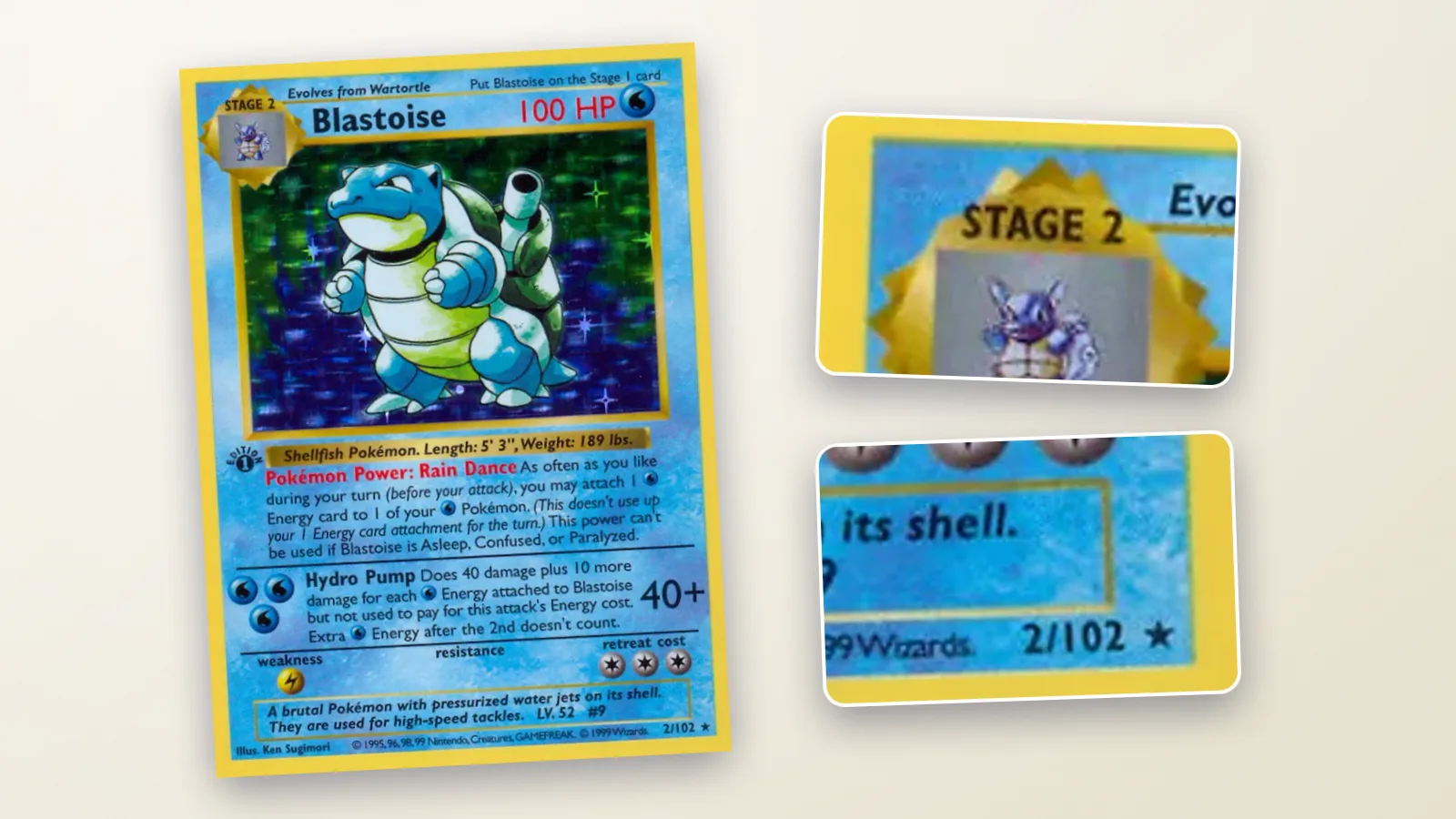
Grading5 min read
Centring, edges, corners, surface: the four criteria that decide a 10
How a grading company measures centring, edges, corners and surface, why vintage rarely gets a 10, and how to do a pre-grading at home.
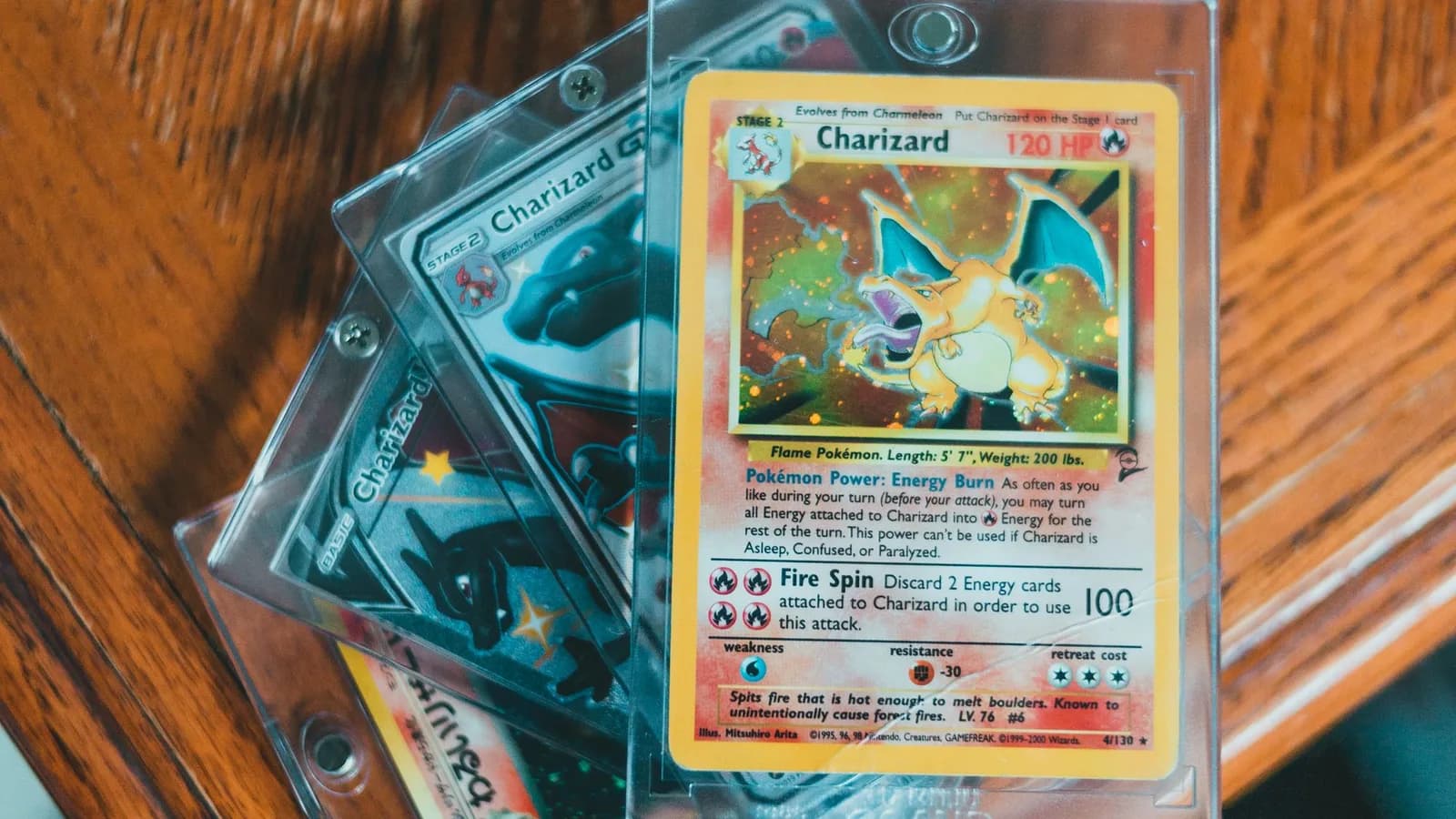
Grading4 min read
PSA 9 or PSA 10? How much the price changes, card by card
What a PSA 10 is worth against the same card in PSA 9, from the Base Set Charizard to modern alt arts, with the real catalogue ratios for October 2026.
Want to know what your card is worth?
The catalogue shows the PSA 10 price and the price range of every card, with sources and dates.