Grading5 min read
PSA, BGS, CGC: the differences and which grading counts on the market
Scales, labels, slabs and liquidity of the three grading companies, why Pokechrono chose PSA 10 as its standard and how to verify every certificate online.
The Pokechrono editorial teamPublished 2 October 2026
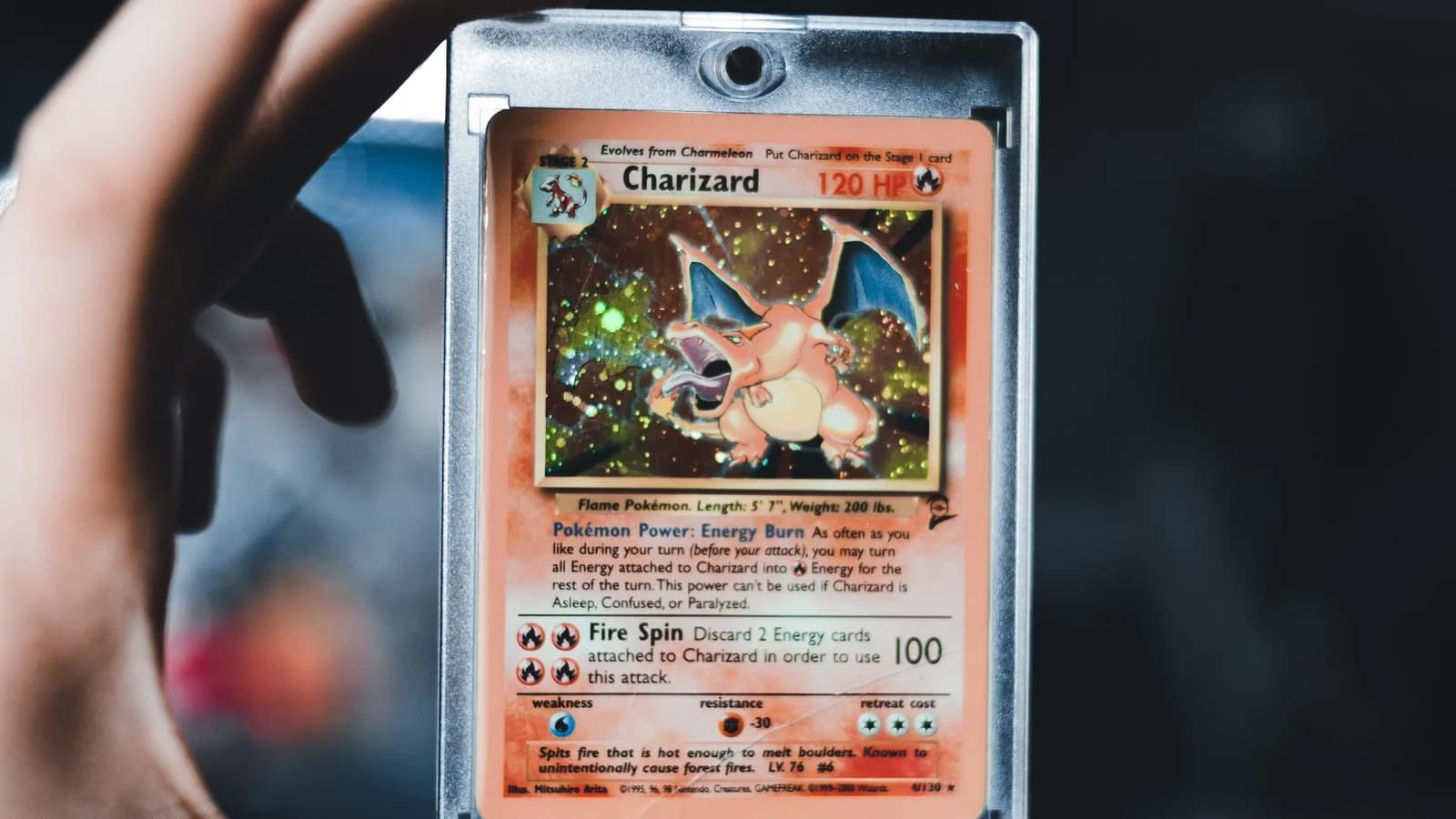
Three companies grade most of the Pokémon cards in circulation: PSA, BGS and CGC. They do the same job, judging centring, edges, corners and surface and sealing the card with a certificate, but with different scales, labels and cases, and with a different weight on the market. PSA is the most widespread and the most liquid, and that is why Pokechrono chose PSA 10 as its only standard. Here are the differences, without logos and without personal preferences.
PSA: the 1 to 10 scale and the widest market
PSA, Professional Sports Authenticator, is the American company that has graded more Pokémon cards than anyone else. The scale runs from 1 to 10, with the 10 called Gem Mint, and the classic label is white with a red border. There are no subgrades: the card receives a single number.
PSA's strength is its reach. When a collector looks for a graded card, they look for it in PSA; when a price site reports the value of a grade, it is almost always the PSA 10. The more buyers know the scale, the faster the card sells and with fewer arguments. This is what is called liquidity, and for a buyer it means being able to resell one day without having to explain anything.
BGS: subgrades and the Black Label
BGS, Beckett Grading Services, gives an overall grade and four subgrades, one each for centring, corners, edges and surface, printed on the label. The scale goes up to 10 with half points: the 9.5 is called Gem Mint, the 10 Pristine. When all four subgrades are 10, the label turns black: this is the Black Label, the hardest grade to obtain in the industry.
The BGS slab is thicker and heavier than the others, and many find it more elegant. The subgrades are a valuable extra piece of information: they say why the card got that grade. On the market, a Black Label is often treated as a step above the PSA 10; a 9.5, on the other hand, is generally considered close but not equivalent, and the pool of buyers is smaller.
CGC: the Pristine 10 and the blue label
CGC Cards is the card division of a company born for comics and coins, with a blue label and a 10-point scale with half points. The highest level is the 10 Pristine; below it is the 10 Gem Mint, then the 9.5 and down to 1. In recent years CGC has simplified its scale and its label to bring them closer to PSA's.
The CGC slab is appreciated for the clarity of the case and for turnaround times. The pool of buyers, in the Pokémon field, nevertheless remains smaller, and for the same grade a card in CGC generally sells for a lower price than the same card in PSA. It is not a judgement on the quality of the examination: it is a snapshot of the market.
Same grade, different prices
The grade measures the card; the price also measures the company. The same cards, with the same grade, are treated by the market like this, in descending order: BGS 10 Black Label, PSA 10, then CGC 10 Pristine and BGS 9.5 in neighbouring positions, and below them the lower grades of each. The gaps change from card to card and over time, and we do not quantify them here because we have no data of our own to cite.
What matters for a buyer is simple: a 10 is not worth a 10 everywhere. Before comparing two prices, you have to compare two labels.
In short: PSA has the widest market, BGS the hardest grade, CGC the most readable label. On resale price, PSA 10 is the reference.
Why Pokechrono sells only PSA 10
We chose a single standard for three reasons. The first is clarity: anyone opening a listing on Pokechrono knows in advance what they will find, without having to translate different scales. The second is liquidity: a card in PSA 10 is the one the market knows and looks for, in Italy and beyond, and this protects the buyer on the day they want to resell. The third is verification: concentrating on one company allows us to know its case, its label and its fakes thoroughly.
A PSA, BGS or CGC grade appears on one of our listings only if it was issued by that company, with the certificate number given in full. We do not grade cards: we report the grade. Our expert adds a second check, which we call Verificato Pokechrono, and the how we verify page explains it.
How to verify every certificate online
The three companies offer a verification page on their websites. You enter the certificate number printed on the label, and the description of the card registered under that number appears: name, set, collection number, grade, in some cases the photo. Everything must match the slab in front of you.
If the number does not exist, if the description is of another card, or if the grade is different, the slab is not reliable and the card should not be bought. On Pokechrono the number is on every listing and we do the check ourselves before publication, but we invite you to do it again: it is the gesture that sets a collector apart from a mere buyer. The complete journey of a card, from verification to delivery, is on the how it works page, and for a doubt about a specific slab you can write to us from the contact page.
- PSA
- BGS
- CGC
- grading
- certificate
Frequently asked questions
Which grading is the most recognised for Pokémon cards?
PSA. It is the company with the largest number of graded Pokémon cards and the widest market: a card in PSA 10 sells faster and with fewer arguments. BGS and CGC are serious companies, with a smaller clientele in our field.
Is a BGS 10 worth more than a PSA 10?
A BGS 10 Black Label, with all four subgrades at 10, is rarer than a PSA 10 and on the market is often treated as a step above. A BGS 9.5 Gem Mint, on the other hand, is generally considered close to a PSA 10 but not equivalent. For CGC the 10 Pristine is the highest level.
How do I verify a certificate?
Each company has a verification page on its website: you enter the number printed on the label and the description of the card appears. Card, set, number and grade must match the slab in front of you.
Sources
Read next
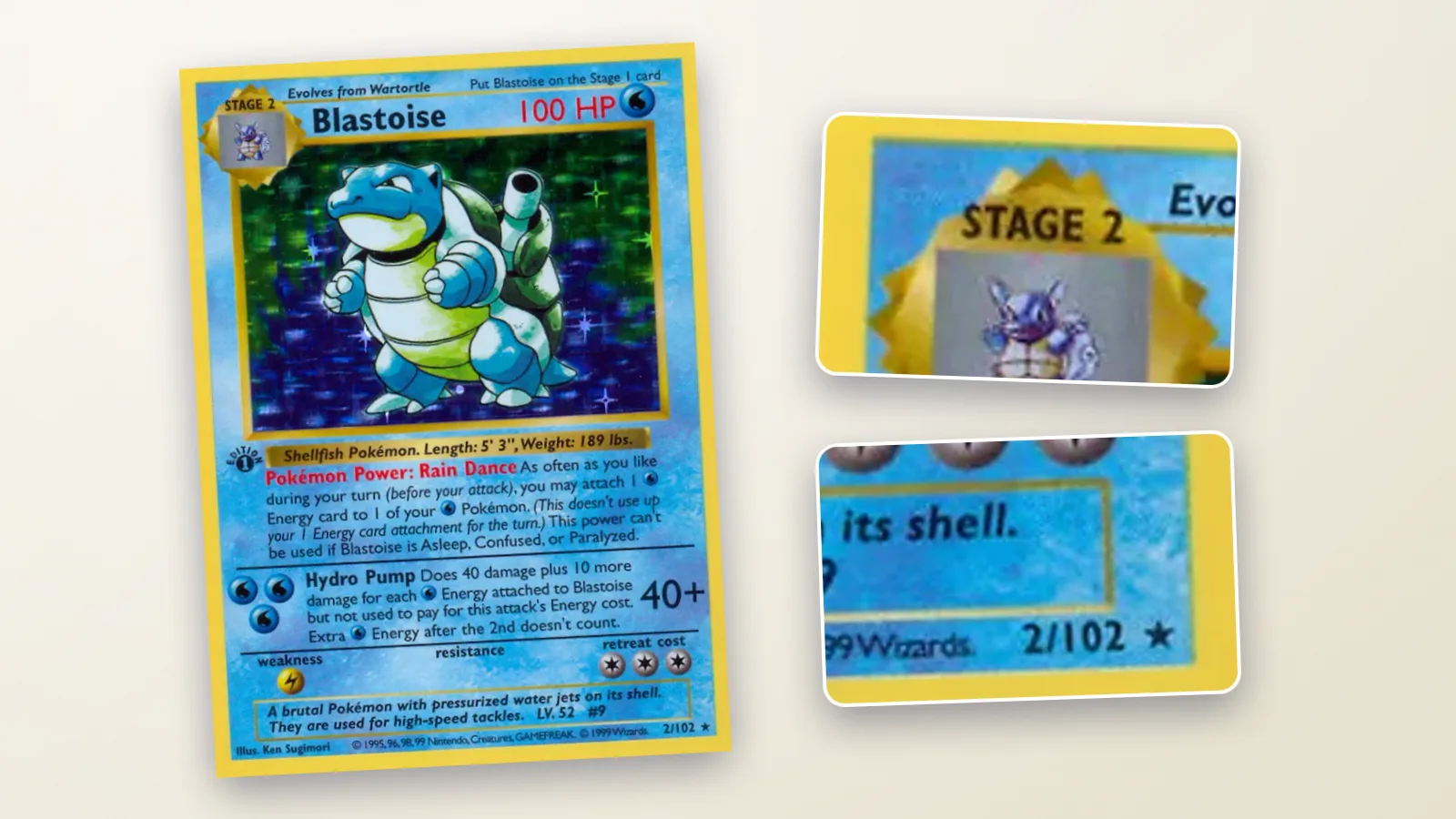
Grading5 min read
Centring, edges, corners, surface: the four criteria that decide a 10
How a grading company measures centring, edges, corners and surface, why vintage rarely gets a 10, and how to do a pre-grading at home.
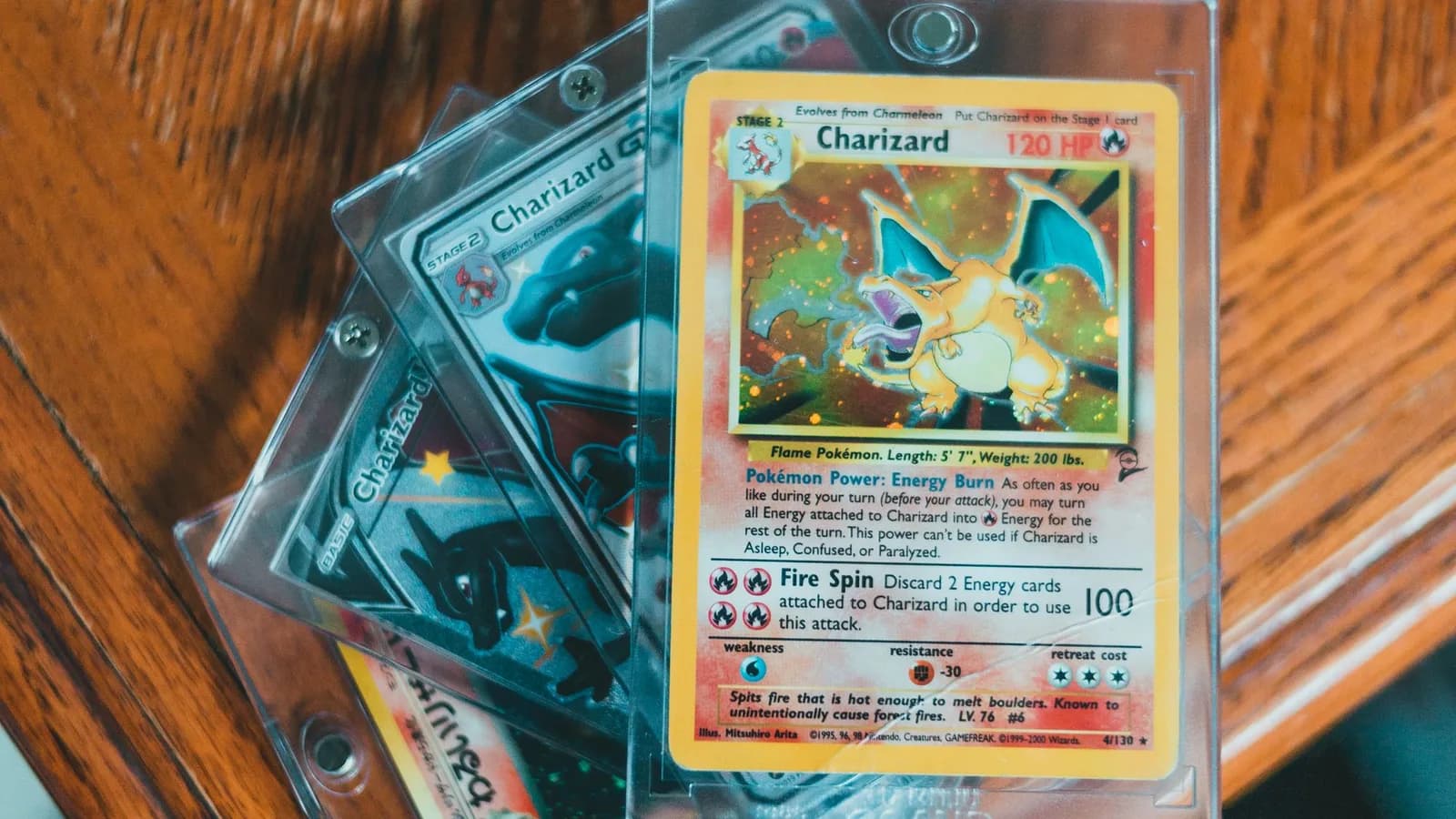
Grading4 min read
PSA 9 or PSA 10? How much the price changes, card by card
What a PSA 10 is worth against the same card in PSA 9, from the Base Set Charizard to modern alt arts, with the real catalogue ratios for October 2026.
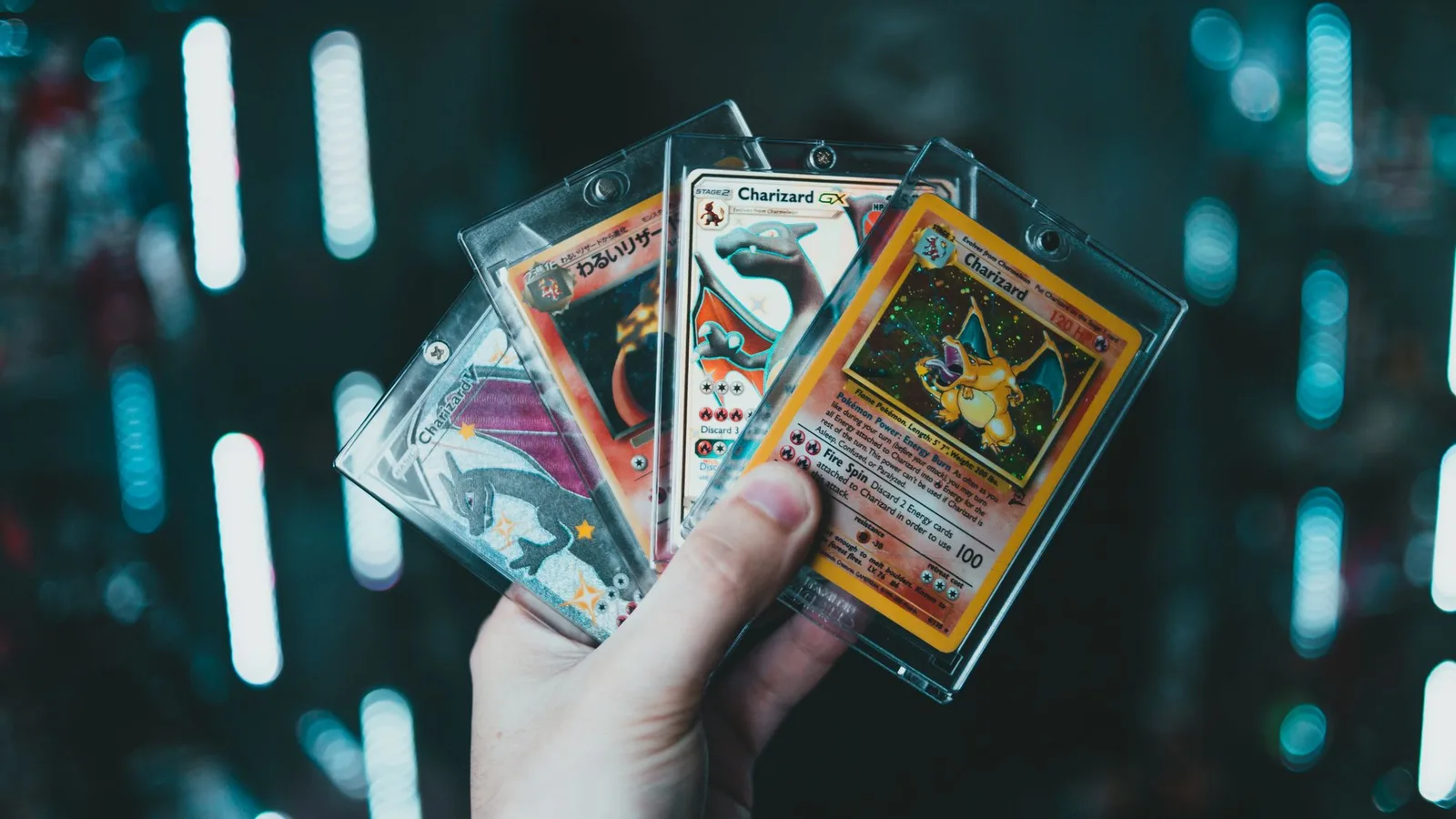
Grading4 min read
How to verify a PSA certificate online in under a minute
The number on the label, the search on PSA's website, what has to match and the warning signs that should stop a purchase. The procedure, step by step.
Want to know what your card is worth?
The catalogue shows the PSA 10 price and the price range of every card, with sources and dates.