Guides4 min read
How to buy your first graded Pokémon card without making mistakes
Choosing the card, reading the label, verifying the certificate, checking the slab, deciding between auction and fixed price. A guide for beginners.
The Pokechrono editorial teamPublished 8 October 2026
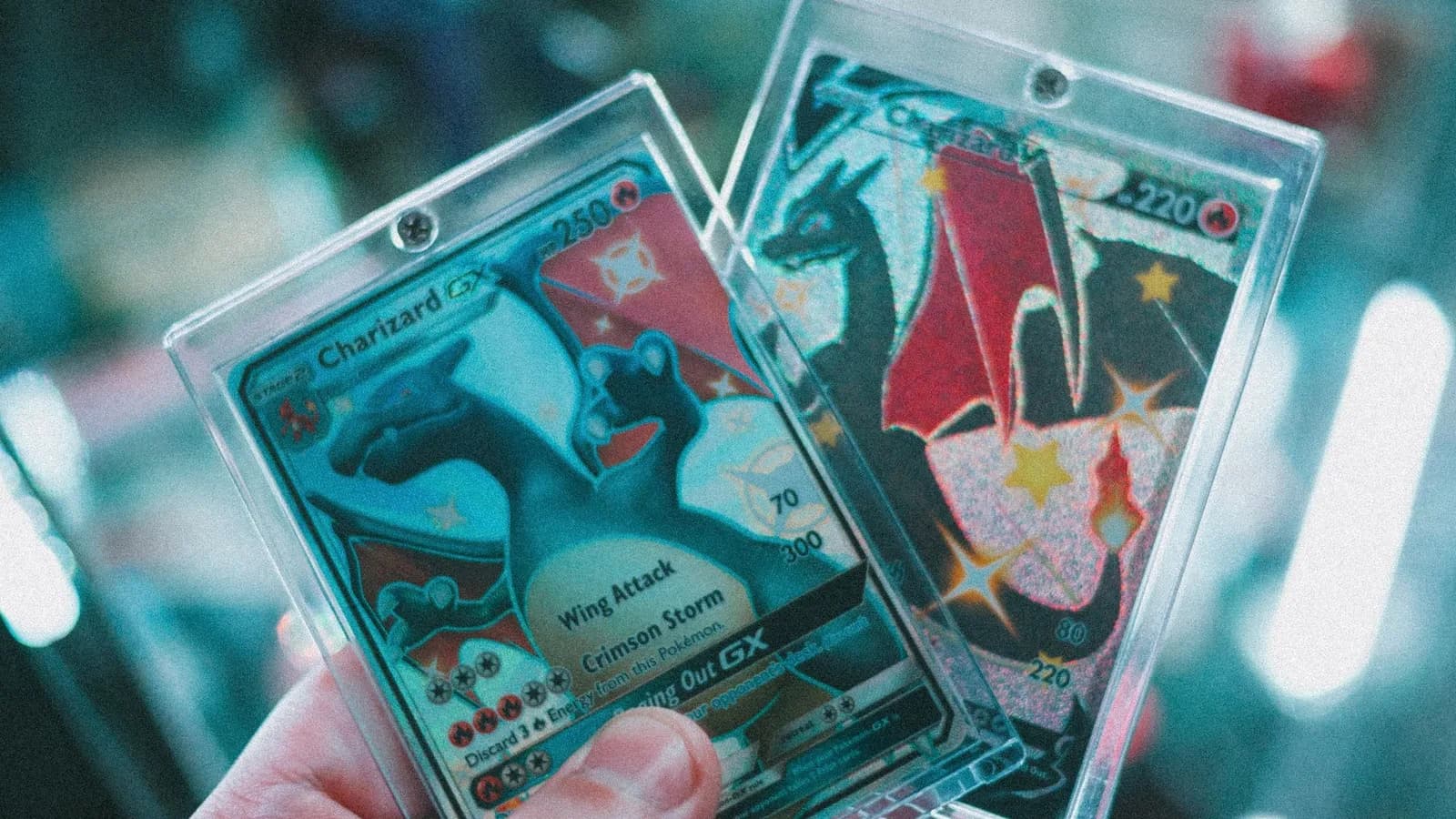
Your first graded card is bought with head and heart together: a card you love, in a slab you can verify, at a price you know before you bid. Everything else, from the label to the shipping, is a checklist you can learn in ten minutes. Here it is.
Choosing the card: affection comes first
The most useful advice we can give a beginner is not to buy the first card thinking about what it will be worth. Buy it because you like it: the Pokémon, the illustration, the set you opened as a child. A card chosen that way stays in the collection even if the market falls, and the market does fall, sometimes.
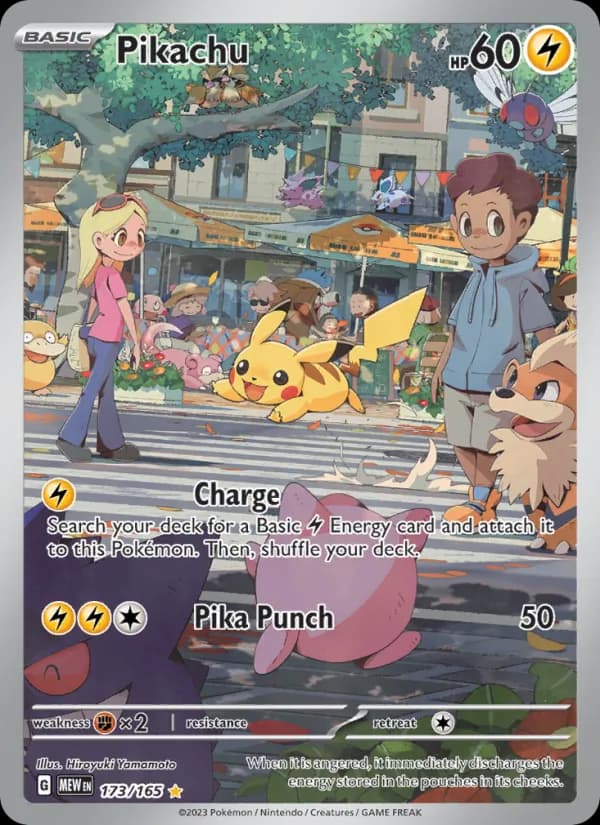
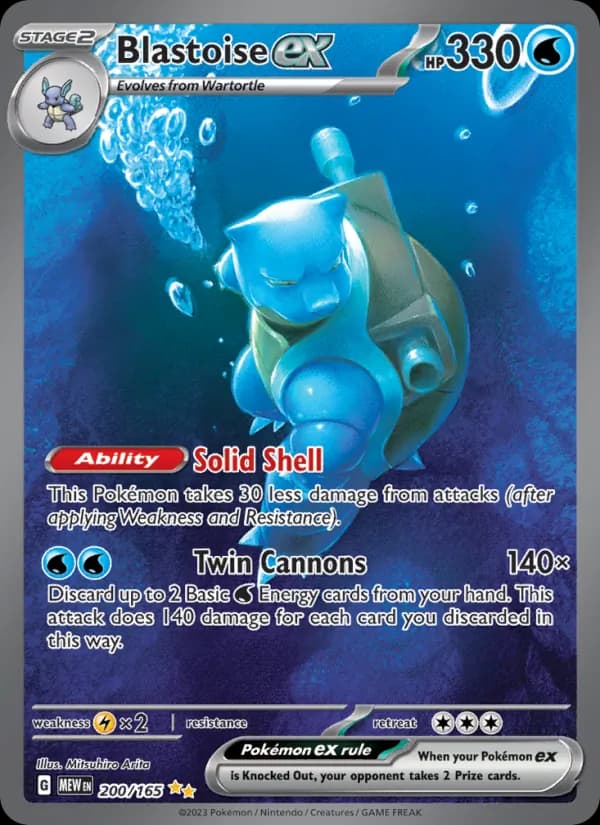
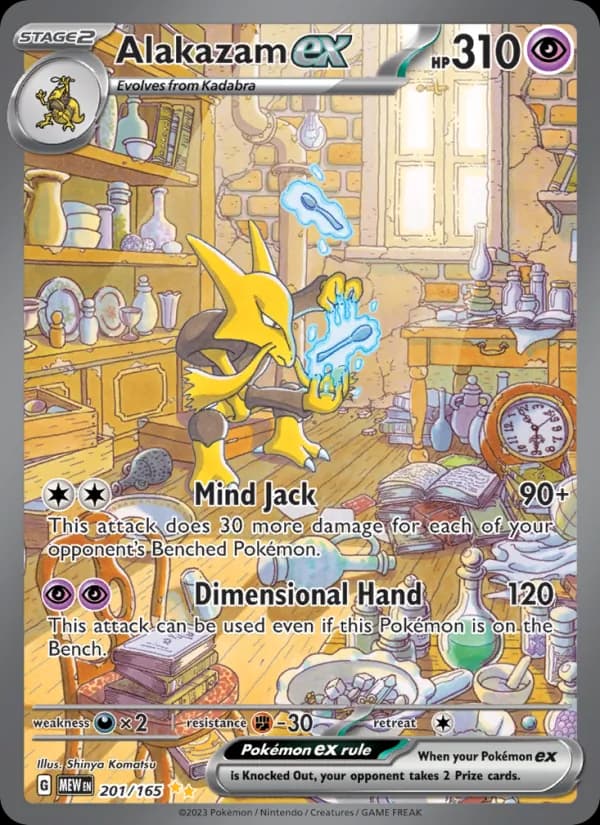
The Illustration Rares (IR) and Special Illustration Rares (SIR) of recent sets are an excellent starting point. Pokémon 151, for example, brought back the first 151 Pokémon with new illustrations: Pikachu 173/165 in PSA 10 is at about €430, Blastoise ex 200/165 at about €470, Alakazam ex 201/165 at about €270, all PriceCharting prices for the last month, October 2026.
Understanding the label and the certificate number
A slab is a rigid sealed case with a label. The label carries the card name, the set, the collection number, the year, the grade and a certificate number. The grade is a mark from 1 to 10: on Pokechrono we sell only cards in PSA 10, the top of the PSA scale, which the company calls Gem Mint.
The certificate number is the most important part. It is unique to that slab and is looked up on the grading company's website: the page that appears must describe exactly the card in front of you. If the number does not exist, or if it matches another card, the slab is not reliable, whatever the seller says.
What to look at in the slab
Before paying, ask for sharp photos of the front and back, including the corners of the case. Three checks are enough:
- the seal: the case is welded along the edge and must show no gaps or signs of opening;
- the plastic: light scratches on the surface are normal and can be polished out, cracks and chips are not;
- the match: card, label and certificate must tell the same story.
A slab with a compromised seal no longer guarantees the grade, because the card may have been swapped. That is why every card we sell is photographed by us before shipping.
Where to buy: auction or fixed price
Fixed price is simple: you see the price, you decide. An auction takes one more step, but on a graded card it is often the most transparent way to find the right price, because the buyers set it and not the seller.
On Pokechrono the auction lasts 24 hours and allows a single sealed bid per person. Nobody sees the others' bids, nobody raises at the last second: you write the amount you are willing to pay, confirm by email, and at the deadline the highest bid wins. The buyer's premium of 12% is added to the amount bid, with verification included, plus insured shipping. The full process is on the how it works page.
How much to spend: typical budgets
As of October 2026 the catalogue prices draw three bands. For many modern IRs and SIRs in PSA 10 you are between €100 and €300, and for the most sought-after cards of a set you go up towards €400 or €500, as in the three examples from Pokémon 151. The alternate arts of 2021 and 2022 cost from a few hundred to a few thousand euros. Base Set vintage in PSA 10 costs thousands of euros, even tens of thousands for Charizard.
For a first card the lower band has everything you need: a genuine card, a verifiable certificate, an object you are happy to keep. The rest comes later, if it comes.
From confirmation to delivery
After winning you pay within three days. Our expert re-checks slab and certificate, then the card leaves in a rigid box with custom-cut foam, with tracked and insured shipping. Delivery arrives between ten and fourteen days from payment.
On arrival you have 48 hours to check: the seal, the plastic, the match with the listing. Photograph the parcel before opening it, for the insurance. If something does not add up, write to us from the contact page within that window and we will take care of it. If everything adds up, and it usually does, you have just started a collection.
- first graded card
- PSA 10
- certificate
- buying guide
- slab
Frequently asked questions
How much does a first graded card cost?
For a modern Illustration Rare or Special Illustration Rare in PSA 10 you start from a few hundred euros: in the Pokechrono catalogue, October 2026, Alakazam ex from Pokémon 151 is at about €270 and Blastoise ex at about €470. Base Set vintage costs thousands of euros.
How do I verify that the certificate is genuine?
The number is printed on the slab label. You look it up on the website of the company that graded the card: card, set, collection number and grade must match. If anything does not add up, you do not buy.
What happens if the card arrives and something is wrong?
On Pokechrono you have 48 hours from delivery to check the slab and report a problem. Photograph the parcel before opening it: it is needed for the shipping insurance.
Sources
The cards we talk about
Read next
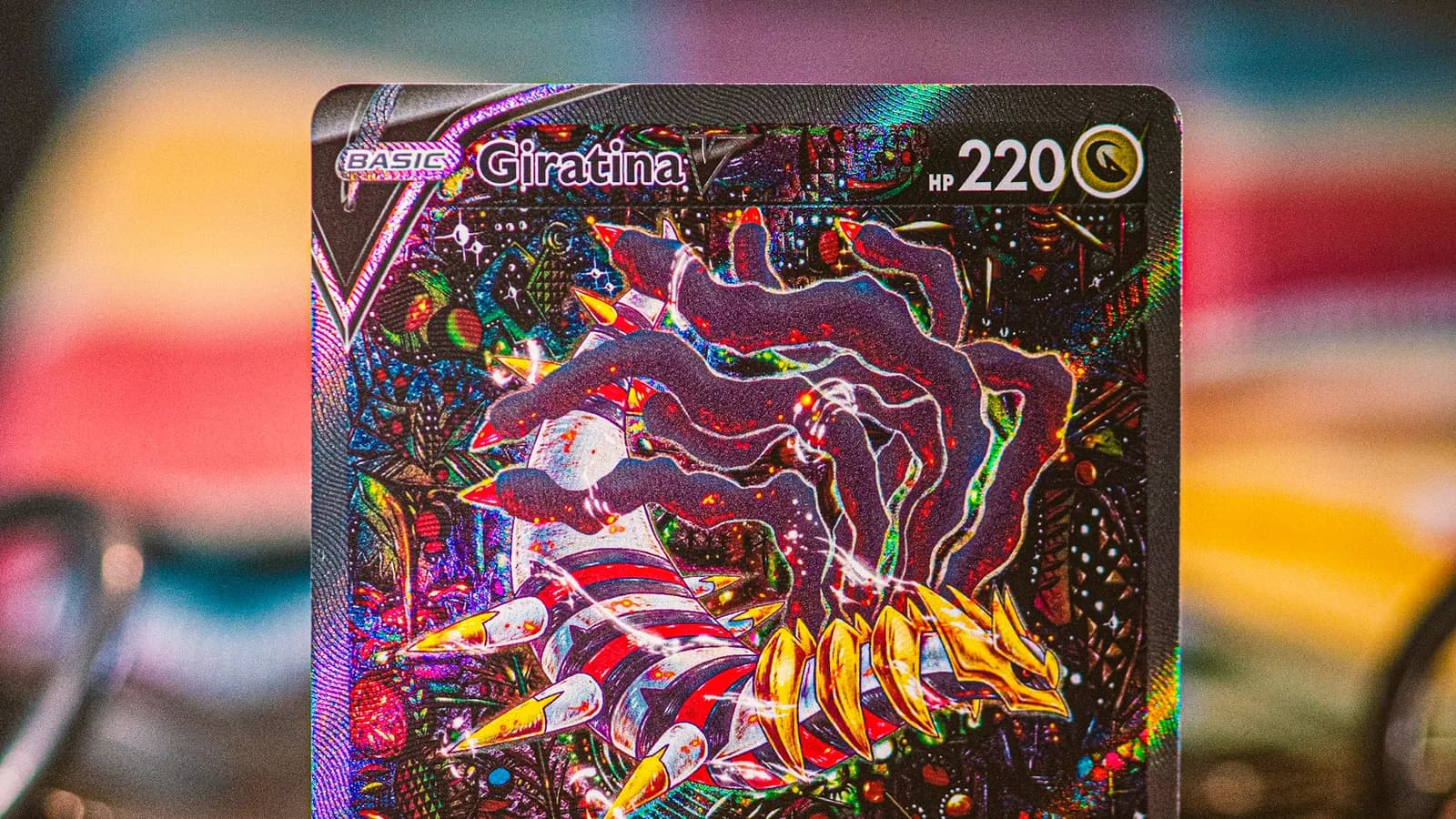
Guides4 min read
How to read a Pokémon card: number, set symbol, rarity and abbreviations
Number and total, set code, rarity symbols, the ex, V, VMAX, Mega ex, IR, SIR and Hyper Rare abbreviations, plus holo, 1st Edition and shadowless.
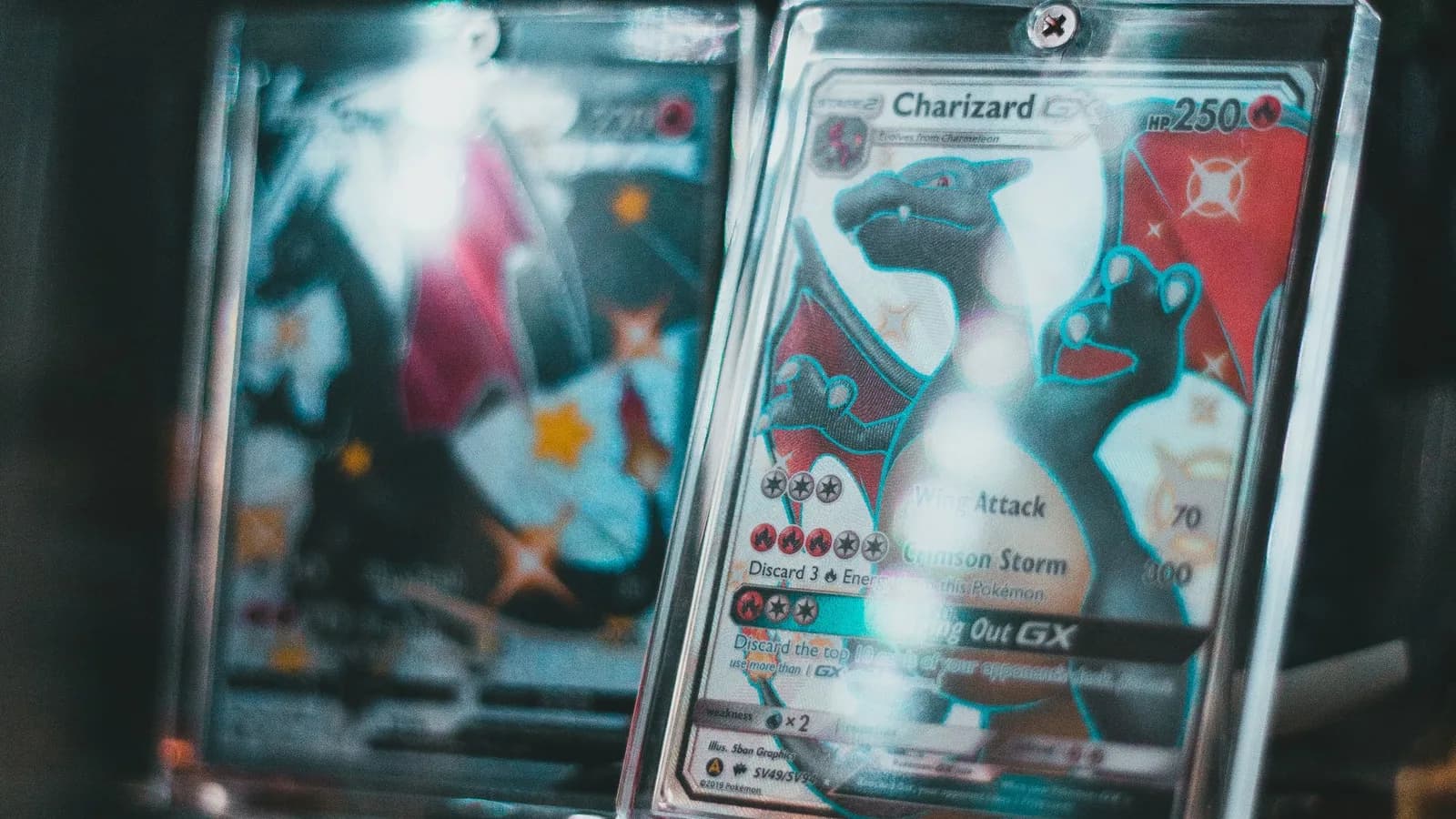
Guides4 min read
How to store Pokémon cards: sleeves, toploaders, binders and slabs
The four levels of protection, the mistakes that ruin a card, how to keep slabs and sealed products, and how to transport a collection.
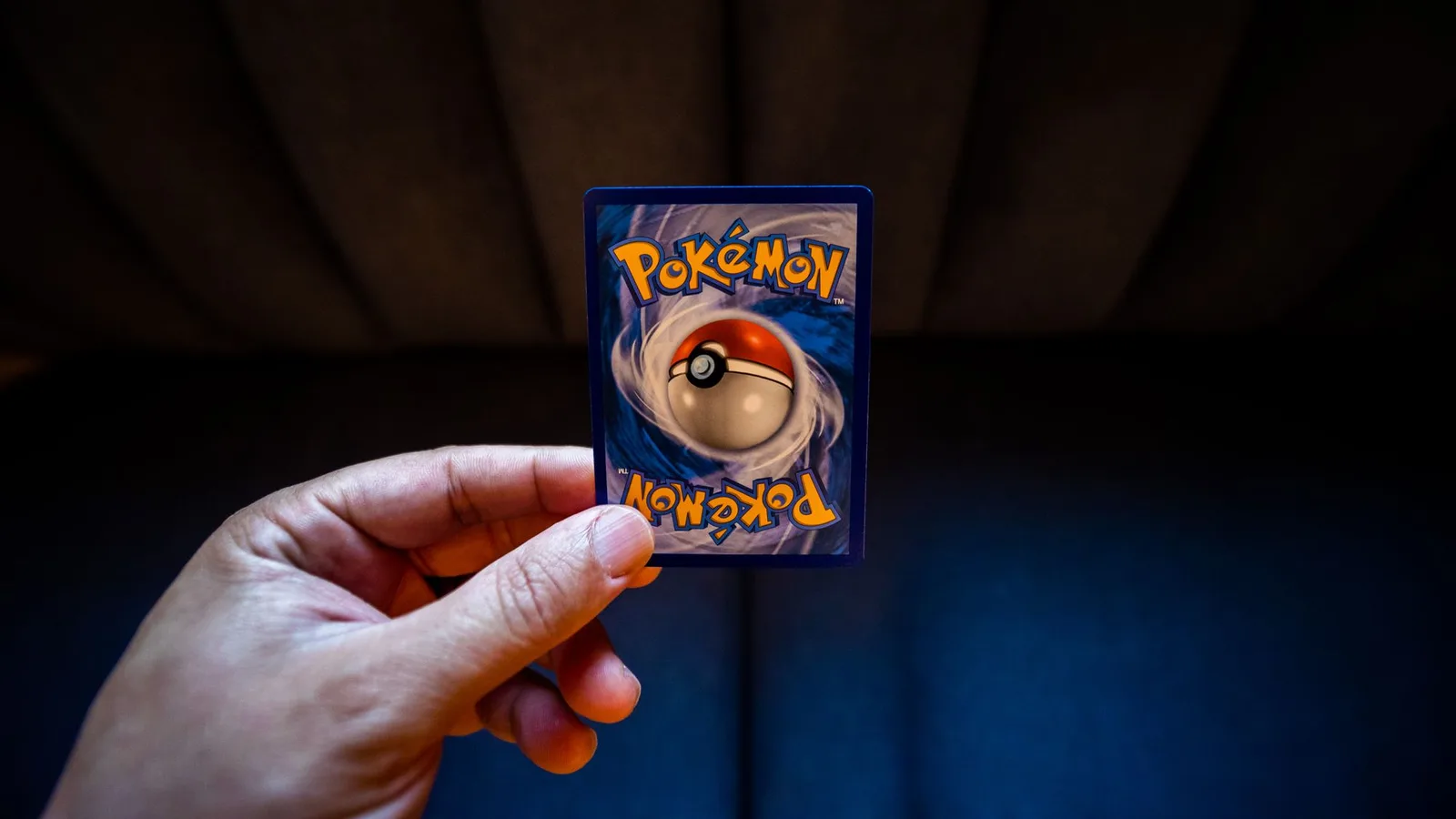
Guides5 min read
Fake Pokémon cards: the ten checks we carry out in our lab
Printing, cut, back, holo, weight, light, fonts, price, seller and slab: our expert's ten checks, and what you can do at home.
Want to know what your card is worth?
The catalogue shows the PSA 10 price and the price range of every card, with sources and dates.