Guides5 min read
Fake Pokémon cards: the ten checks we carry out in our lab
Printing, cut, back, holo, weight, light, fonts, price, seller and slab: our expert's ten checks, and what you can do at home.
The Pokechrono editorial teamPublished 5 October 2026
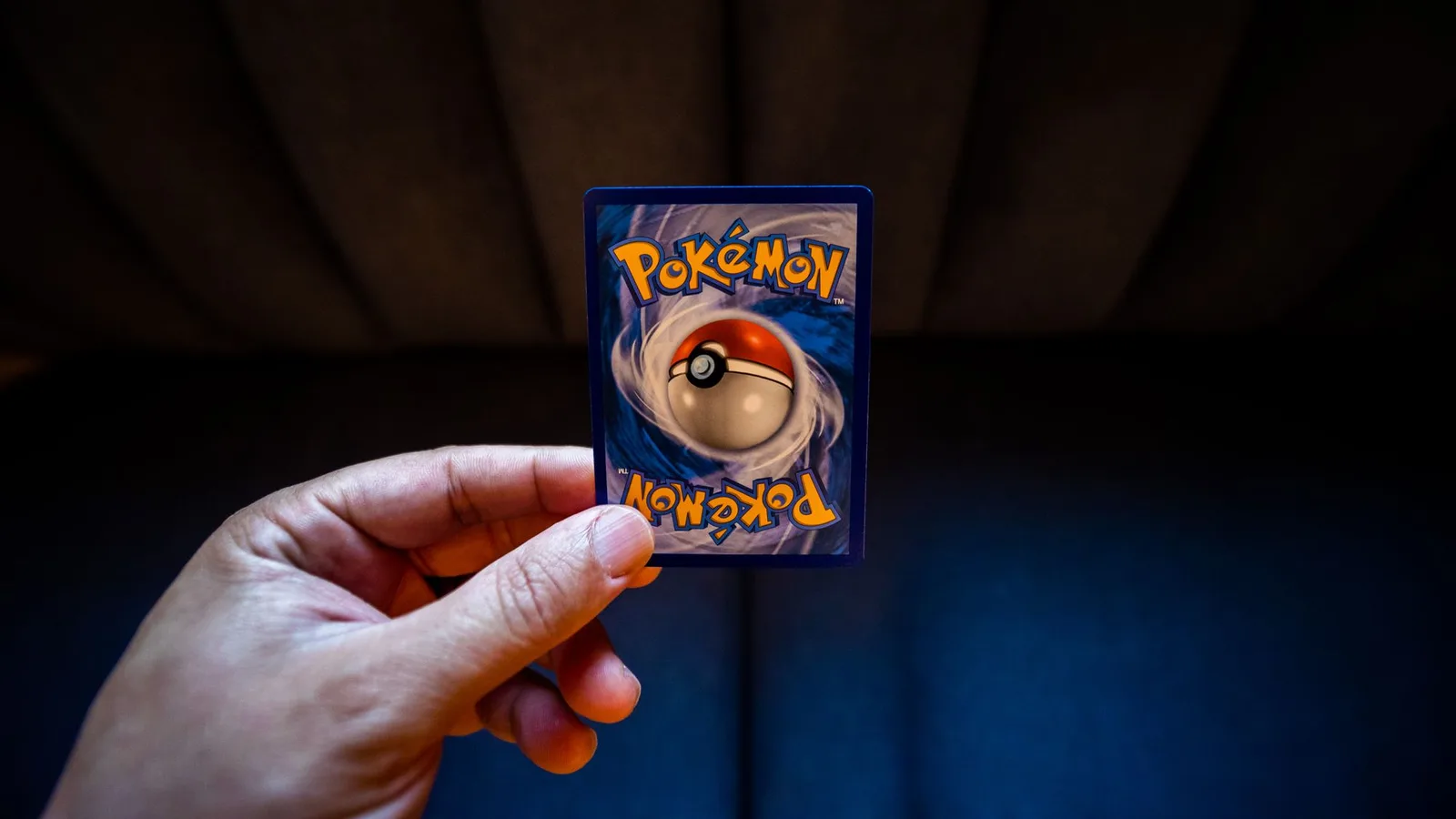
A fake Pokémon card is recognised with a method, not with instinct. Our expert applies the same sequence of ten checks to every card, from the printing to the slab, and the card passes only if it clears all of them. Here we describe them one by one, because knowing what we look at also helps those who buy elsewhere. We do not explain how a fake is made: we explain how it is stopped.
Why fakes exist: the price
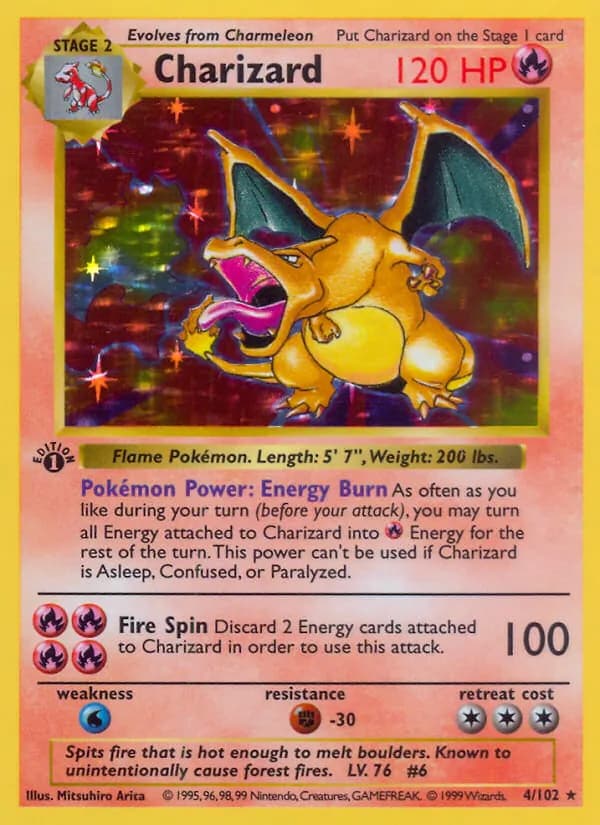
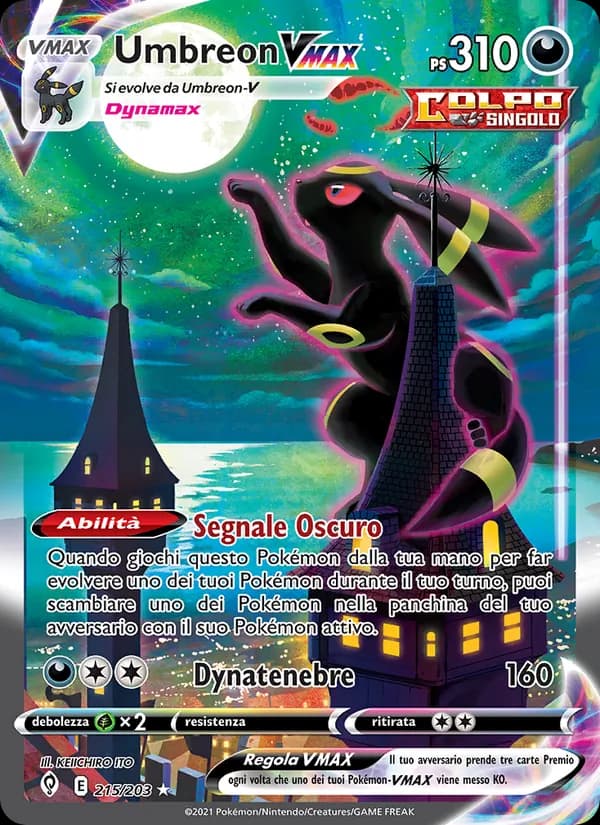
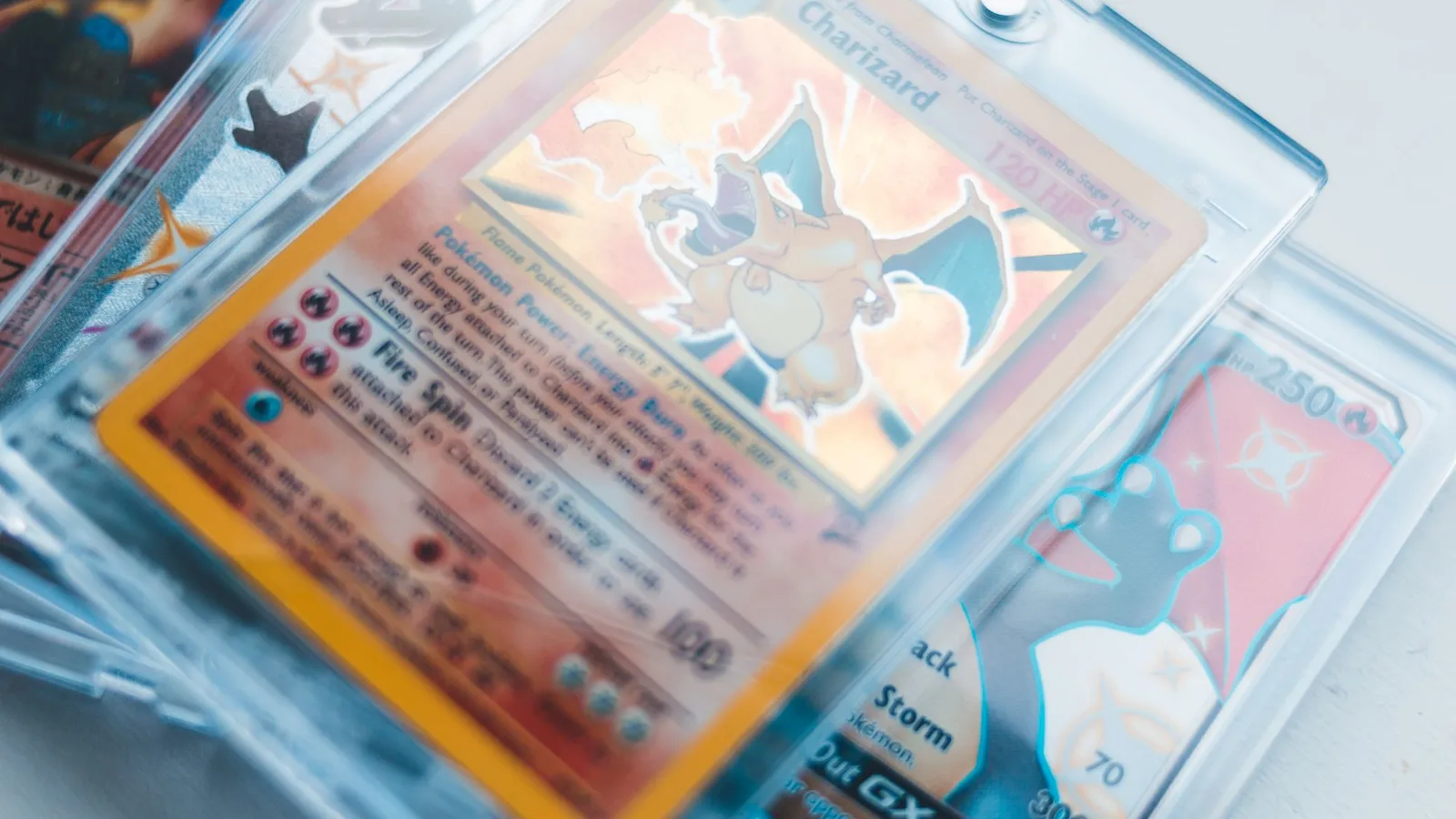
Counterfeiters chase value. Charizard 4/102 from the Base Set is worth between €200 and €1,500 raw and about €11,000 in PSA 10 according to PriceCharting, October 2026. Umbreon VMAX 215/203 sits between €1,500 and €2,100 raw and about €3,400 in PSA 10. They are the two most copied cards we see, and that is why we use them as examples.
Reproductions range from the market-stall card, recognisable from a metre away, to the copy made to deceive, which requires a loupe and references. The ten checks are for the second kind.
The printing checks: rosette, cut, back
The first check is the print rosette. Under a loupe at ten or more magnifications, a genuine card shows the regular dot pattern of industrial offset printing. We compare that pattern with a genuine copy from the same set: dot size, angle, sharpness of the text outlines. A reproduction, even a good one, rarely replicates it identically.
The second is the cut and the edges: an original card has a clean, uniform cut, with an edge that looks the same on all four sides. We measure the dimensions and compare them with the reference.
The third is the back. The blue of the Pokémon back has a precise shade, with the border and the Poké Ball in an exact position. It is the point where most fakes fall down, because the back is copied from a photo and not from a printing plate.
The material checks: holo, weight, light
The fourth check is the holo texture. Every era has its own: the holos of 1999 and 2000, the embossed textures of modern full arts, the patterns of Special Illustration Rares. Under raking light the texture of a genuine card has a relief consistent with the illustration; that of a copy is flat or follows a generic pattern.
The fifth is weight and thickness, measured with a precision scale and callipers and compared with genuine copies from the same set. Pokémon cardstock has a layered structure, and a copy on a different cardstock reveals itself here.
The sixth is the light test: a genuine card, in front of a strong light source, lets the light through in a precise way, because the layered structure contains a core that filters it. Comparison with the reference settles the doubt.
The text checks: fonts and errors
The seventh check is the text. Font, spacing, character size, accents on Italian cards, energy symbol, collection number, set symbol, copyright line at the bottom: everything is compared line by line with the reference card. Fakes make mistakes, because whoever produces them does not know the language or does not have the original plate: a different letter, a slightly shifted symbol, an illustrator's name misspelt.
This is the check you can also do at home, with a card from the same expansion that you are sure of and a good loupe. It does not prove that a card is genuine, but it often proves that one is fake.
The context checks: price and seller
The eighth check is the price. A raw Moonbreon at €400 is not a bargain: it is a fake, a tampered slab or a seller who will never deliver it. Market prices are public, and we show them on every listing with the source and the date. A price far below the market is a piece of data, and should be read as such.
The ninth is the seller: history, reviews, willingness to provide extra photos, precise answers about the details. Whoever sells a genuine card answers gladly; whoever sells a copy changes the subject. On Pokechrono the seller does not deliver to the buyer: the card goes through our expert first, as we explain on the how we verify page.
The tenth check: the slab
The tenth check concerns graded cards. A slab can be fake in two ways: the case and label are reproduced, or a genuine slab has been opened and resealed with another card inside. For the first case we check the case, the label, the hologram and the type of printing. For the second we examine the seal along the entire perimeter, looking for traces of opening.
In both cases we look up the certificate number on the grading company's website, and compare the card inside the slab with the description and, when there is one, with the company's photo. If a single detail does not match, the card does not go to auction.
In short: ten checks, a genuine reference for every set, the certificate verified online. A card that fails even one of the ten is not published.
Every card sold on Pokechrono travels with our guarantee of authenticity, and you have 48 hours from delivery to report any doubt. If you have a card that does not convince you, write to us from the contact page with sharp photos of the front and back: we are happy to give a first opinion.
- fake cards
- authenticity
- verification
- Charizard
- slab
Frequently asked questions
Can a fake card be spotted with the naked eye?
The worst ones, yes: dull colours, wrong back, rough cut. The best ones, no, and you need a loupe, a reliable reference and some experience. That is why, on a valuable card, comparison with a genuine copy and a grading company's certificate are the foundation.
Do fake slabs exist?
Yes. The case and label are copied, or a different card is placed in a genuine slab that has been reopened. The certificate number must always be looked up on the grading company's website, and the card inside must match the page that appears in every detail.
What happens if a card bought on Pokechrono turned out to be fake?
Every card is verified by our expert before the auction and re-checked before shipping, and travels with a guarantee of authenticity. If you have a doubt after delivery, you have 48 hours to report it and we take care of it.
Sources
The cards we talk about
Read next
Market4 min read
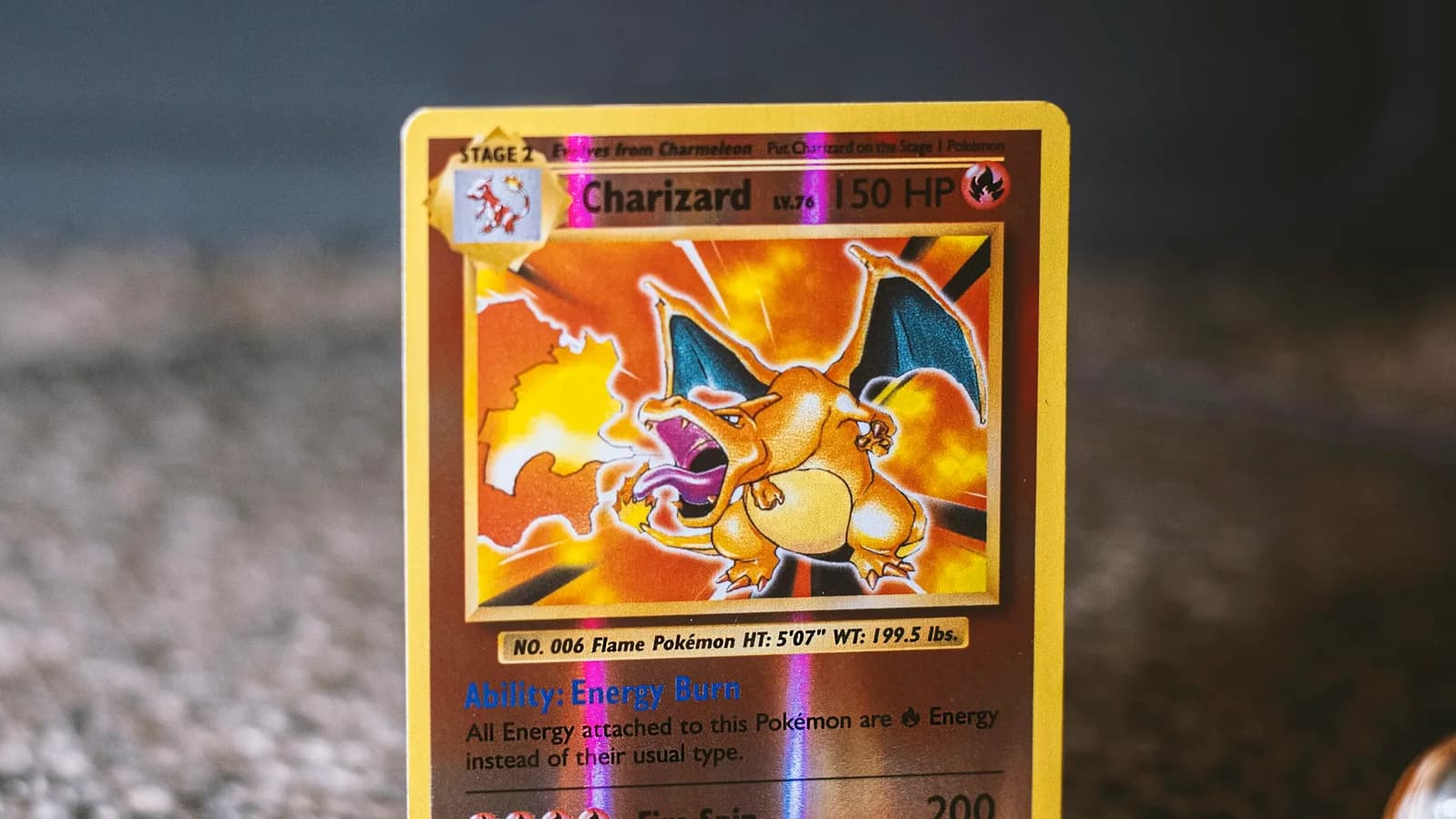
Base Set Charizard 4/102: what it is worth in 2026, print by print
Unlimited, Shadowless, 1st Edition: how to tell the three prints of the Charizard 4/102 apart and what they are worth in 2026, from ungraded to PSA 10.
Market4 min read
The 10 premium: why a PSA 10 is worth tens of times the raw card
Charizard 40 times, Blastoise 82, Mewtwo 155, Gengar VMAX 2.8: what determines the premium of a PSA 10 over the same card left ungraded.
Market4 min read
The most searched Pokémon cards in Italy: Charizard, Pikachu, Umbreon
The ten most searched Pokémon on eBay.it, from Charizard to Gyarados, and for each one the catalogue's reference card with its value in October 2026.
Want to know what your card is worth?
The catalogue shows the PSA 10 price and the price range of every card, with sources and dates.