Grading4 min read
How to verify a PSA certificate online in under a minute
The number on the label, the search on PSA's website, what has to match and the warning signs that should stop a purchase. The procedure, step by step.
The Pokechrono editorial teamPublished 29 September 2026
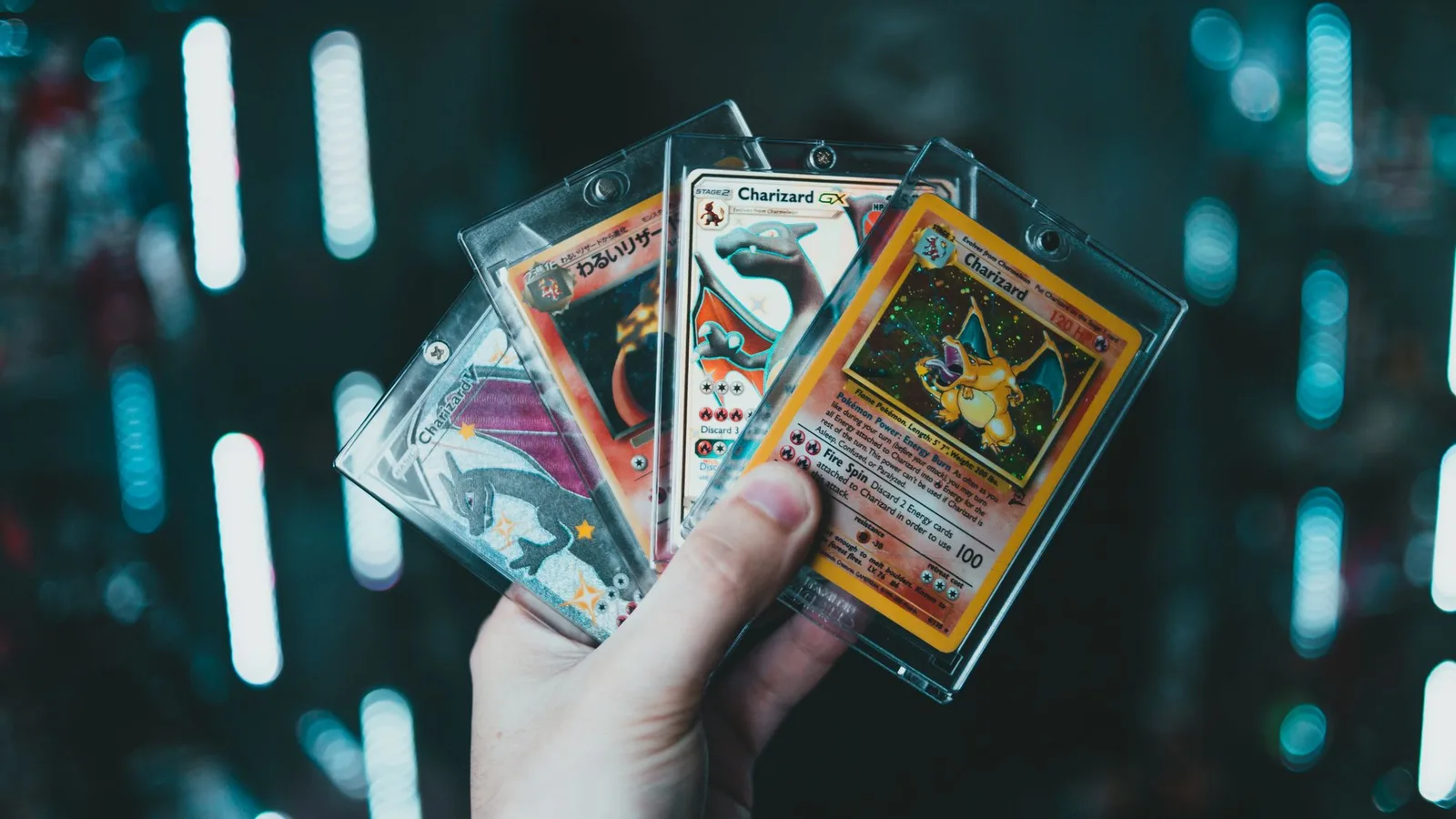
Every PSA slab carries a certificate number, and that number can be looked up for free on the grading company's website. The search returns the card, the set, the collection number and the grade: if they match what you have in your hand, the certificate is genuine. It takes a minute, and it should be done before paying, not after.
Where the certificate number is
The label of a PSA slab has two faces. On the front, at the top, are the card's name, year, set, collection number and grade; on the right-hand side, in small print, the certificate number, a sequence of digits with no letters. On more recent labels it comes with a QR code that leads straight to the verification page.
On the back of the slab the number is repeated. If the digits do not match between front and back, there is no need to go further: something has been tampered with.
The search on the grading company's website
PSA provides a certificate verification page, reachable from the menu of its website. You enter the number, confirm, and the answer arrives in a few seconds. No account is needed, and nothing is paid.
The result shows the card's description as PSA registered it: name, year, set, number, grade, and for cards graded in recent years often a photograph of the front and back as well. There is also an official app that reads the QR code or the number with the phone's camera.
What has to match
A certificate is valid when everything matches, not when only the number does. To check, in order:
- The Pokémon's name and the version of the card (holo, 1st Edition, alternate art).
- The set and the collection number, for example 4/102 or 215/203.
- The grade, written in words and as a number.
- The language, if PSA has indicated it: a graded Italian card often carries the language wording on the label.
- The photograph, if there is one: centring and small marks must be the same as on the slab in front of you.
If even one of these elements is different, the certificate belongs to another card.
The warning signs
The first is a number that does not exist: the search returns nothing, or returns an error message. The second is a number that exists but describes another card: a Charizard on the register and a Blastoise in the slab, or a grade 8 on the website and a 10 on the label. In both cases the label has been remade, or the slab has been opened and closed again with another card.
The third sign is subtler: correct number, correct card, but PSA's photograph shows centring or a mark that do not correspond. It means someone has reproduced a genuine label and put it on a different copy, perhaps a counterfeit. Finally, be wary of a seller who refuses to show the certificate number in full: there is no legitimate reason to hide it.
What to do if something does not add up
If you have already paid, document it: photos of the label front and back, a screenshot of the search with date and time, photos of the slab from every side. Then contact the seller and the platform in writing. If you paid with a method that includes buyer protection, open the dispute within the time limits.
If you have not yet paid, it is simpler: do not buy. A certificate that does not add up has no innocent explanation, and no discount makes up for a card that is not what you think it is.
How we do it
On Pokechrono every listing of a card at auction shows the PSA certificate number and the link to the verification on the grading company's website, in the open, before you make a bid. Our expert has already checked that number when the card arrived in the lab, together with the integrity of the holder, as we explain on the page about how we verify.
Then, on delivery, you do it again yourself: you have 48 hours to compare the slab, the label and PSA's register, and if something does not match you write to us and we take care of it. It is a simple procedure, and precisely for that reason we ask every buyer to do it every time, even when they trust us. How the rest of the purchase works, from the single bid to payment, is described in how it works; for any doubt about a certificate, even on a card not bought from us, there is the contact page.
- PSA
- certificate
- verification
- slab
- guide
Frequently asked questions
Is PSA certificate verification free?
Yes. The verification page on PSA's website is public, needs no account and returns within seconds the description of the card registered under that number. There is also an official app that reads the QR code on the label.
What does it mean if the certificate number does not exist?
That the label was not issued by PSA, or that the number has been altered. There are no innocent explanations: if you have not paid yet, do not buy; if you have paid, document everything with photos and screenshots and dispute it in writing.
Does Pokechrono show the certificate number before the auction?
Yes. Every listing of a card at auction shows the PSA certificate number in the open, with the link to the verification on the grading company's website, and on delivery you have 48 hours to repeat the check yourself.
Sources
Read next
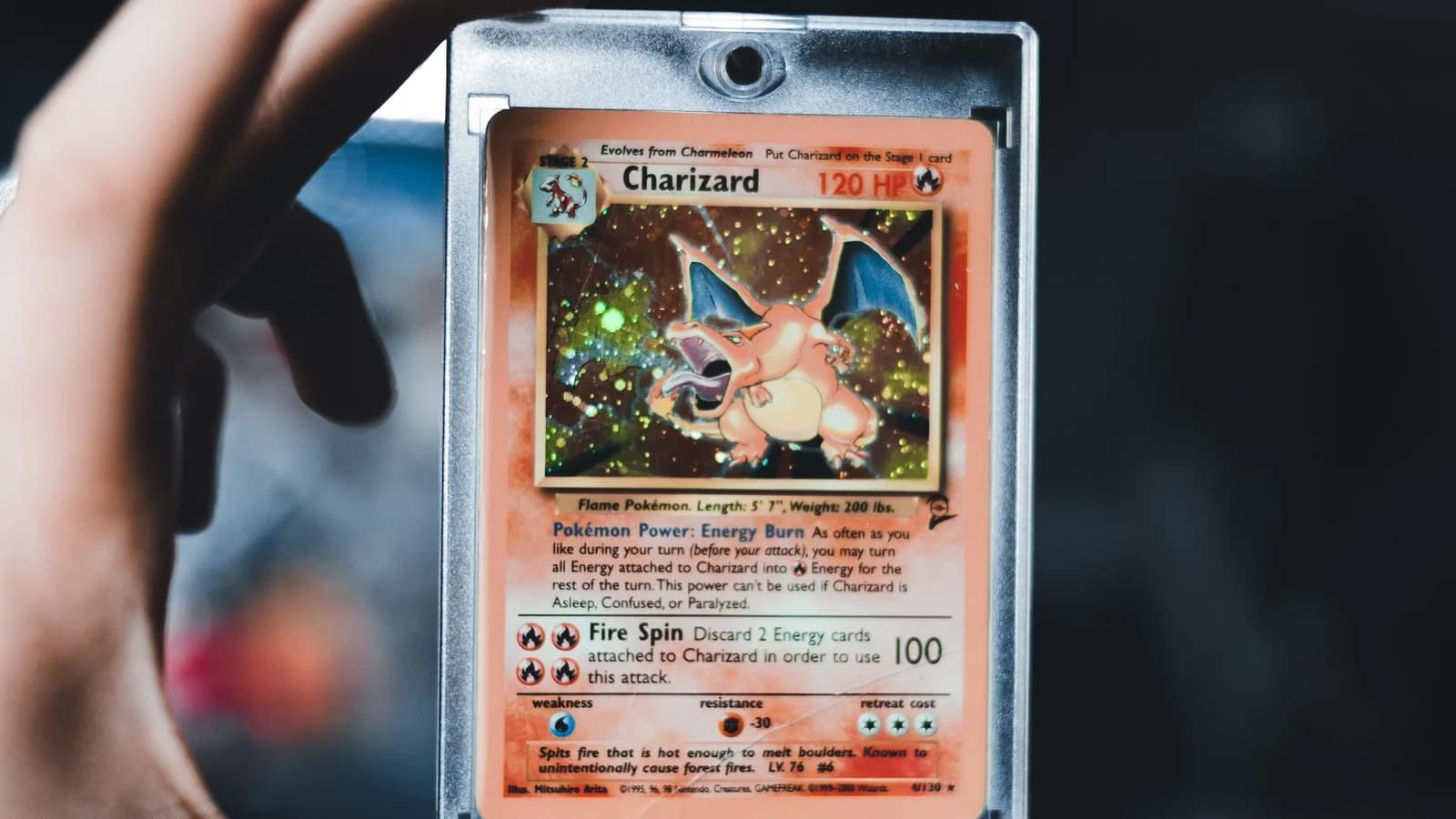
Grading5 min read
PSA, BGS, CGC: the differences and which grading counts on the market
Scales, labels, slabs and liquidity of the three grading companies, why Pokechrono chose PSA 10 as its standard and how to verify every certificate online.
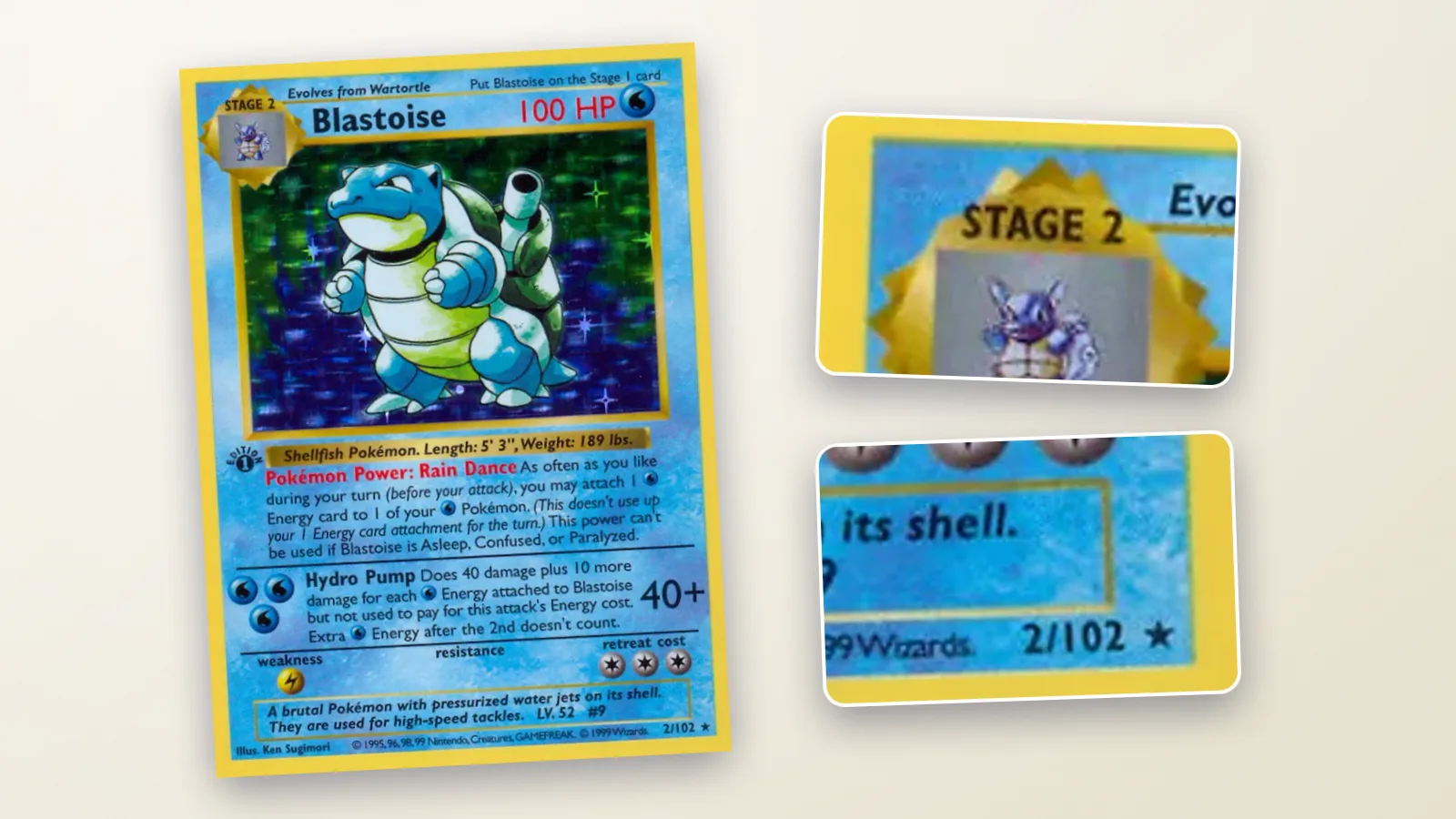
Grading5 min read
Centring, edges, corners, surface: the four criteria that decide a 10
How a grading company measures centring, edges, corners and surface, why vintage rarely gets a 10, and how to do a pre-grading at home.
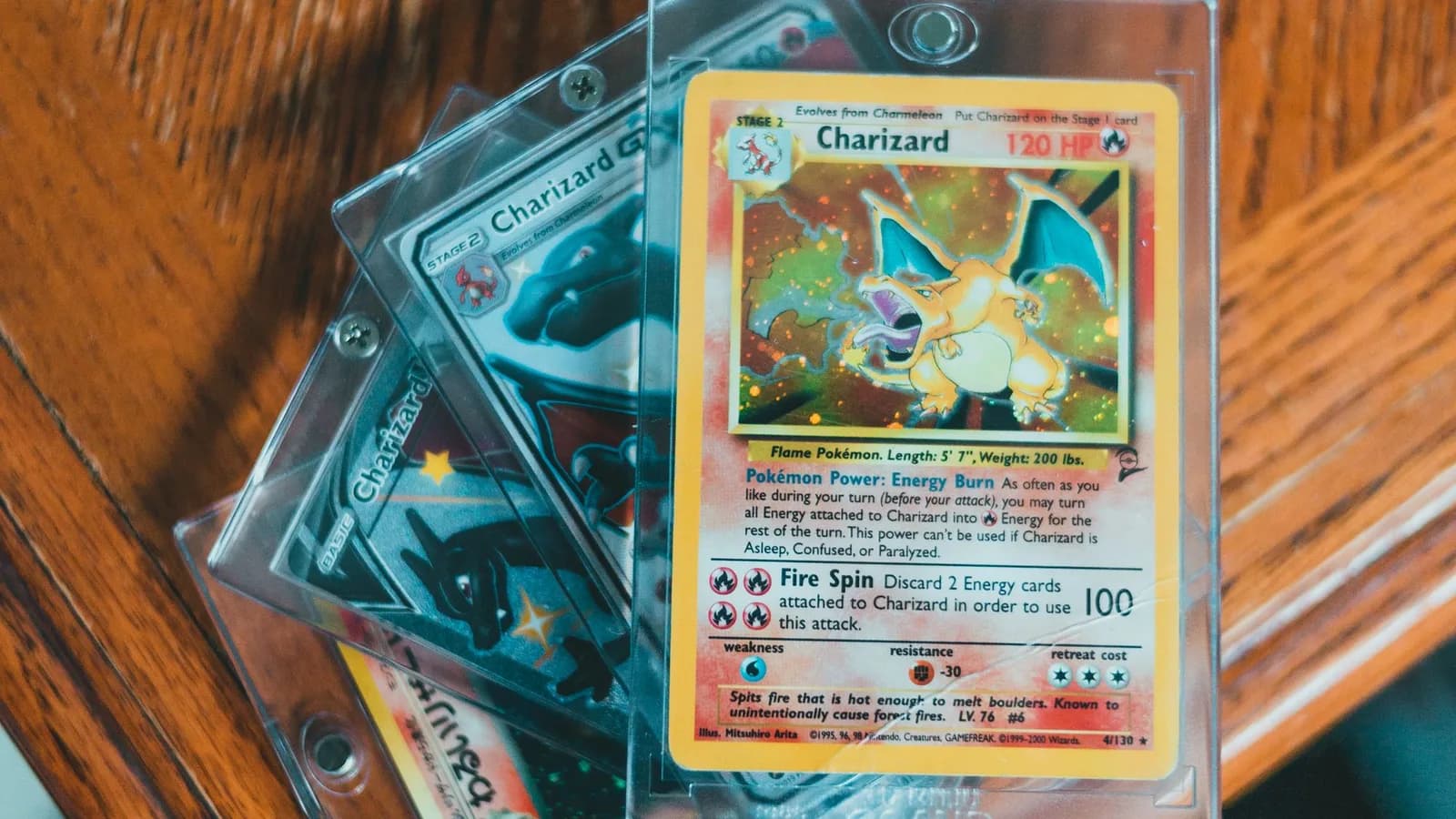
Grading4 min read
PSA 9 or PSA 10? How much the price changes, card by card
What a PSA 10 is worth against the same card in PSA 9, from the Base Set Charizard to modern alt arts, with the real catalogue ratios for October 2026.
Want to know what your card is worth?
The catalogue shows the PSA 10 price and the price range of every card, with sources and dates.