Market4 min read
The 10 premium: why a PSA 10 is worth tens of times the raw card
Charizard 40 times, Blastoise 82, Mewtwo 155, Gengar VMAX 2.8: what determines the premium of a PSA 10 over the same card left ungraded.
The Pokechrono editorial teamPublished 13 October 2026
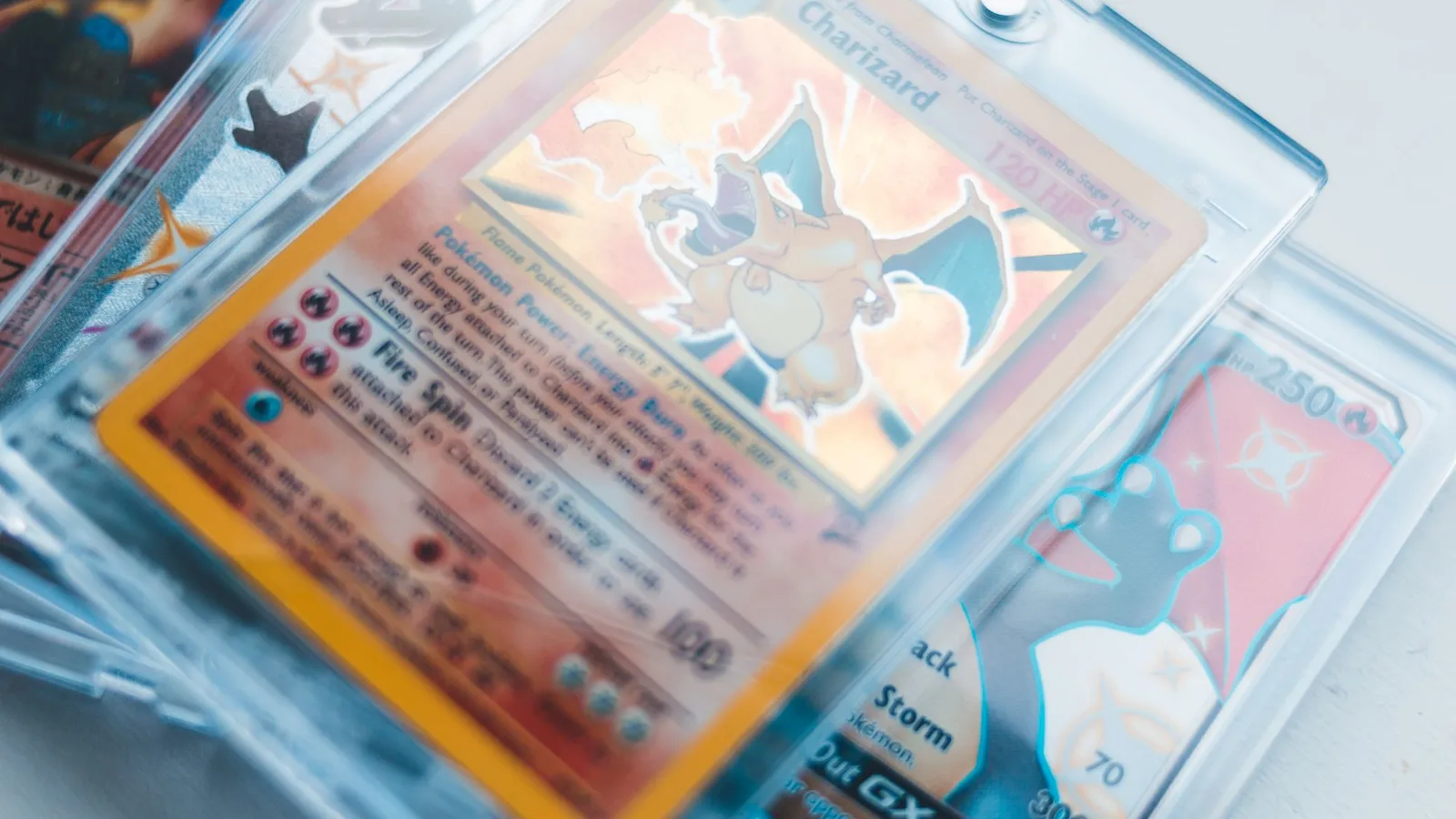
A Pokémon card in PSA 10 is worth from two to more than a hundred and fifty times the same card ungraded. The number changes from card to card, and does not depend on how rare the card is: it depends on how rare it is to find it perfect. Using the Pokechrono catalogue data, that is the realised sales collected by PriceCharting in October 2026, we show how to read this premium and why we chose to sell only the 10.
What the 10 premium is
The 10 premium is the ratio between a card's PSA 10 value and the price of the same card ungraded, in ordinary condition. If a card trades at €100 without a grade and at €400 in PSA 10, the premium is four times. It is a ratio, so it does not depend on the absolute price: a €25 card can carry a higher premium than a €1,500 one.
A second, finer ratio compares the 10 with the 9: it says how much the market pays for the difference between a perfect copy and a nearly perfect one.
The 1999 cards: two- and three-figure premiums
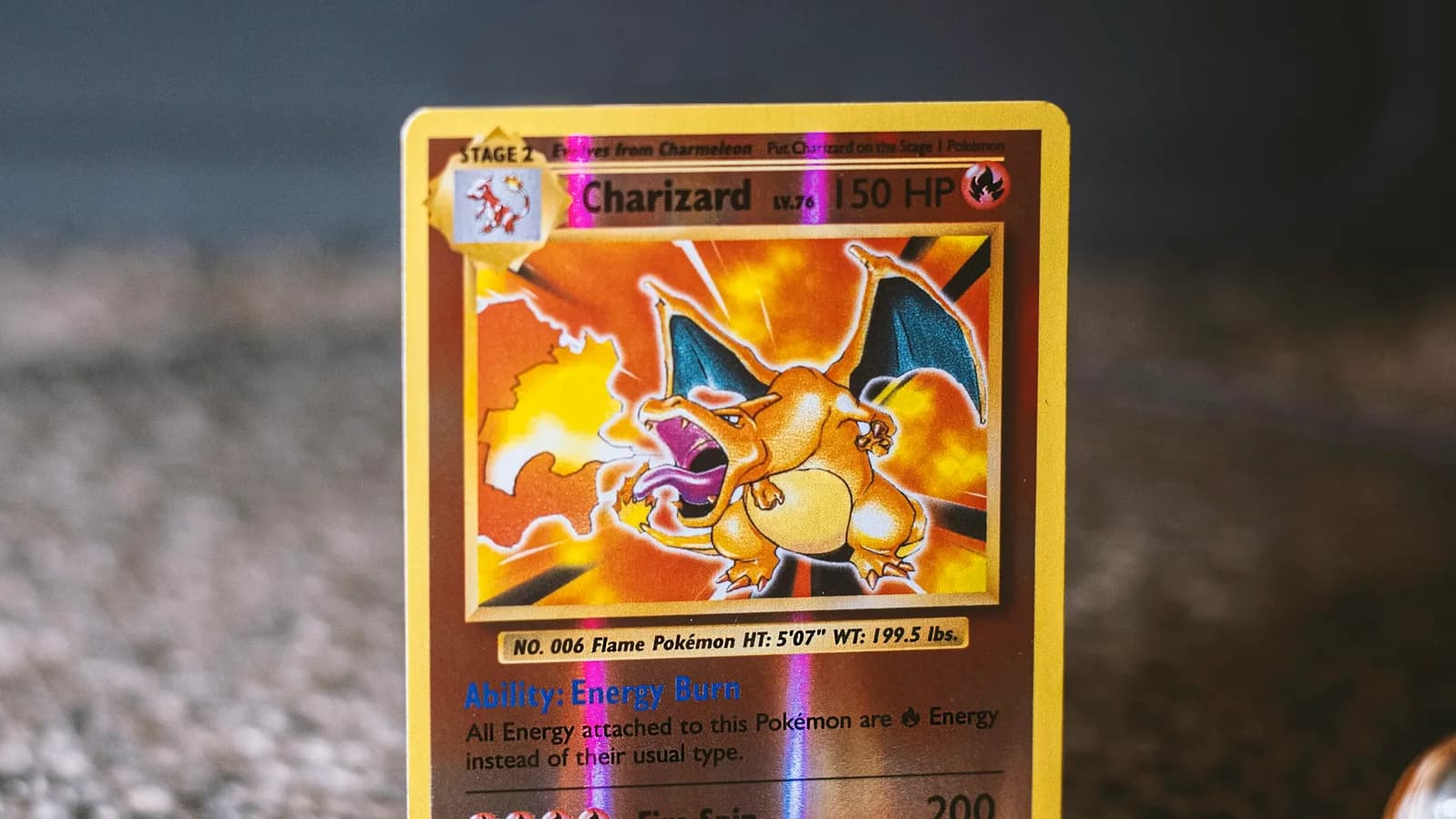
The Base Set Charizard 4/102 is the best-known case: ungraded between €200 and €1,500, in PSA 10 around €11,000. The premium over the ungraded card is around 40 times, that over the PSA 9 3.5 times.
The Blastoise 2/102 goes further: between €150 and €800 ungraded, around €7,700 in PSA 10. A premium of 82 times over the raw card and 7.8 times over the PSA 9. The Venusaur 15/102 follows the same logic, with a premium of 66 times and a PSA 10 value of around €4,300.
The extreme case is the Mewtwo 10/102: a common card, found ungraded between €25 and €80, but worth around €4,200 in PSA 10. A premium of 155 times over the raw card and 11.4 times over the PSA 9. Nobody is looking for just any Base Set Mewtwo; everybody is looking for a perfect Mewtwo, and there are very few of them.
Modern cards: premiums of a few times
On the alternate arts of 2021 and 2022 the picture is different. The Gengar VMAX 271/264 Alternate Art from Fusion Strike (Colpo Fusione) trades ungraded between €900 and €1,150 and in PSA 10 at around €2,100: a premium of 2.8 times over the raw card, 2.6 times over the PSA 9. The Giratina V 186/196 from Lost Origin sits between €750 and €950 ungraded and at around €3,100 in PSA 10, with a premium of 4.5 times.
The raw card is far more expensive than a Base Set Mewtwo, but the 10 is worth barely double or triple. The reason is that a card printed in 2021, opened with care and sleeved straight away, achieves a 10 with a frequency a 1999 card never had.
The premium measures the rarity of the grade, not of the card
This is the point. The Mewtwo 10/102 is a common card, printed in large quantities. But the Base Set print had wide centring tolerances, the holofoil marked at the first rub and for years nobody thought to protect a card worth a few euros. The surviving perfect copies are a tiny fraction, and it is that fraction the market pays 155 times for.
The Gengar VMAX, by contrast, is rare as a card: an alternate art that is hard to find in a pack. But whoever found it treated it as a valuable object from day one, and the 10s are not lacking. The premium stays low because the grade adds no rarity to a card that is already rare on its own.
The 10 against the 9
The ratio between PSA 10 and PSA 9 tells the same story on a smaller scale: 3.5 times for Charizard, 7.8 times for Blastoise, 11.4 times for Mewtwo, against 2.6 times for Gengar VMAX and 3.9 for Giratina V. On vintage cards a 9 is a fine card, but it is another price class; on modern ones the distance is more contained, because the 10s are many.
For a buyer this means one precise thing: on vintage, the jump from 9 to 10 is where the price concentrates, and it is also where a mistake in assessment costs the most.
Why Pokechrono sells only PSA 10
We chose to sell only PSA 10 cards for a simple reason: it is the only grade that leaves no room for argument. A PSA 9 can be a generous 9 or a strict 9, and the price swings accordingly. A 10 is a perfect copy, certified by the most recognised body on the market, with a certificate number anyone can check.
To that certification we add a second check by our expert, on slab, label and card, before the example goes to auction. How that unfolds, from verification to delivery, is explained on the how it works page. The 10 premium is the price of that certainty, and the numbers in this article explain why the market recognises it.
- PSA 10
- grading
- prices
- Base Set
- market
Frequently asked questions
Why is a PSA 10 worth so much more than an ungraded card?
Because grade 10 certifies a perfect copy and, on vintage cards, perfect copies are a tiny fraction of those printed. The premium measures the rarity of the grade, not the rarity of the card.
Is the premium the same for every card?
No. On a 1999 card it can exceed a hundred times; on a 2021 alternate art it is two or three times, because modern prints achieve a 10 far more often.
Why does Pokechrono sell only PSA 10?
Because it is the only grade that is beyond dispute: a perfect copy, certified by the most recognised body on the market. Every example passes a second check by our expert before sale.
Sources
The cards we talk about
- 2VintageSold for €14,050
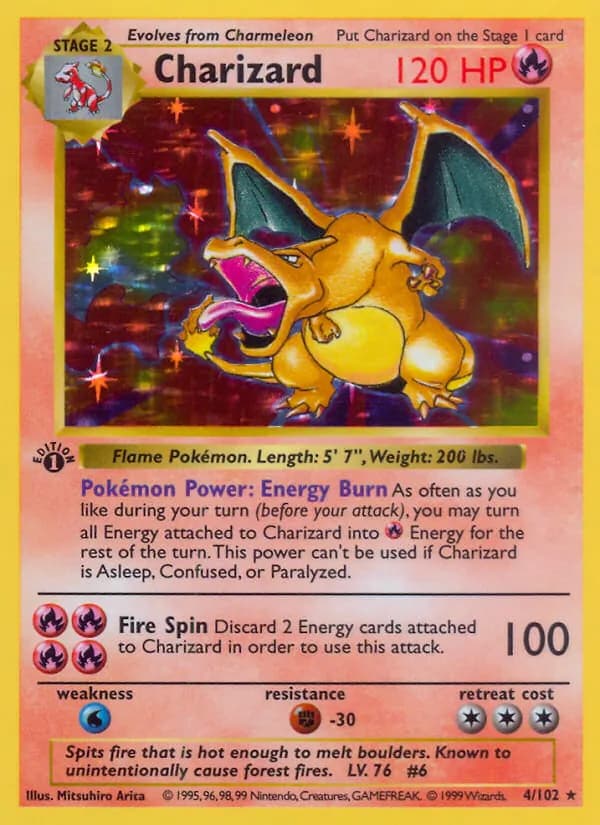
Charizard
Set Base · Base Set · 4/102
PSA 10€10,993
Oct 2026▼ 11 %
- 3VintageSold for €9,450
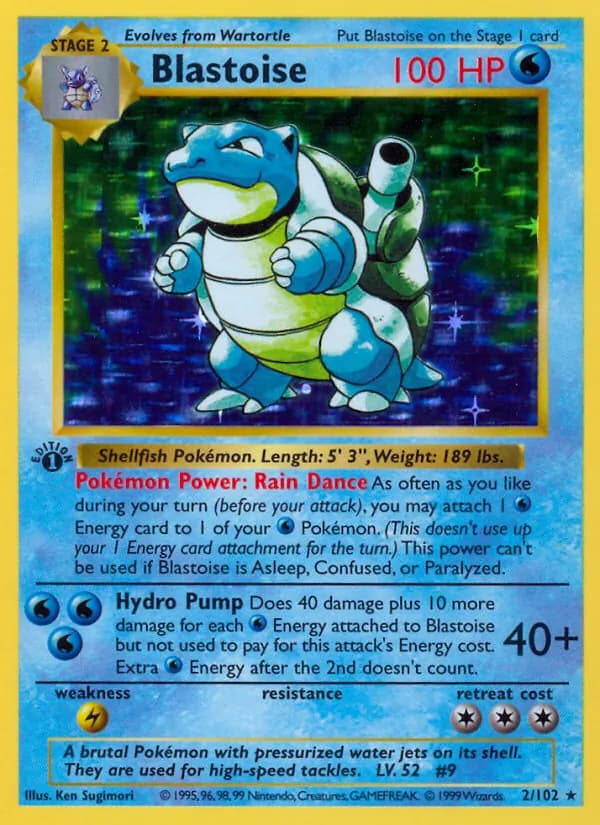
Blastoise
Set Base · Base Set · 2/102
PSA 10€7,715
Oct 2026▲ 200 %
- 5VintageSold for €5,350
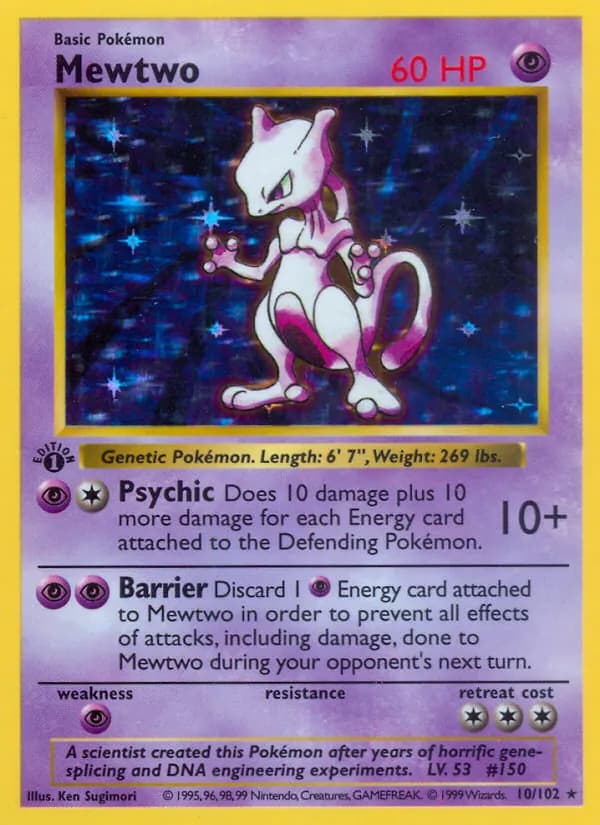
Mewtwo
Set Base · Base Set · 10/102
PSA 10€4,174
Oct 2026▲ 185 %
- 1ModernSold for €2,450
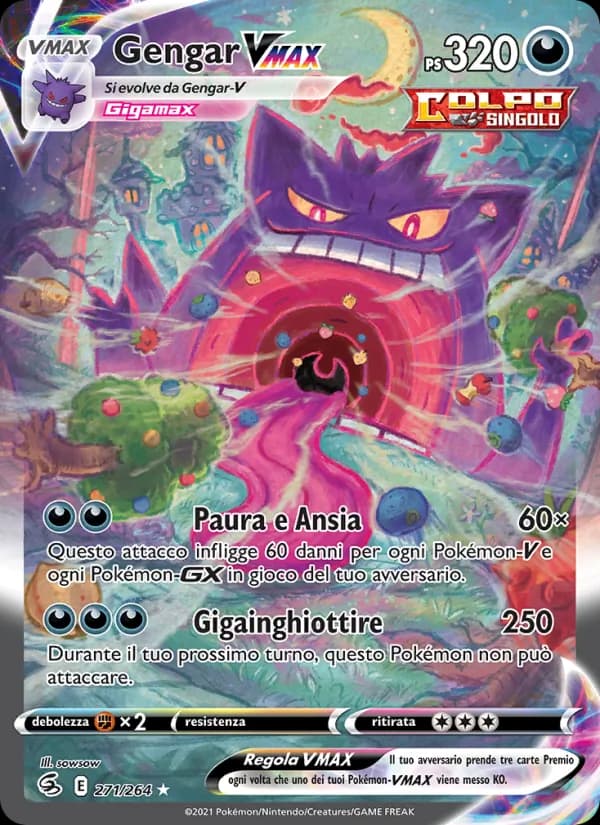
Gengar VMAX
Colpo Fusione · Fusion Strike · 271/264
PSA 10€2,107
Oct 2026▲ 10 %
Read next
Market4 min read
Base Set Charizard 4/102: what it is worth in 2026, print by print
Unlimited, Shadowless, 1st Edition: how to tell the three prints of the Charizard 4/102 apart and what they are worth in 2026, from ungraded to PSA 10.
Market4 min read
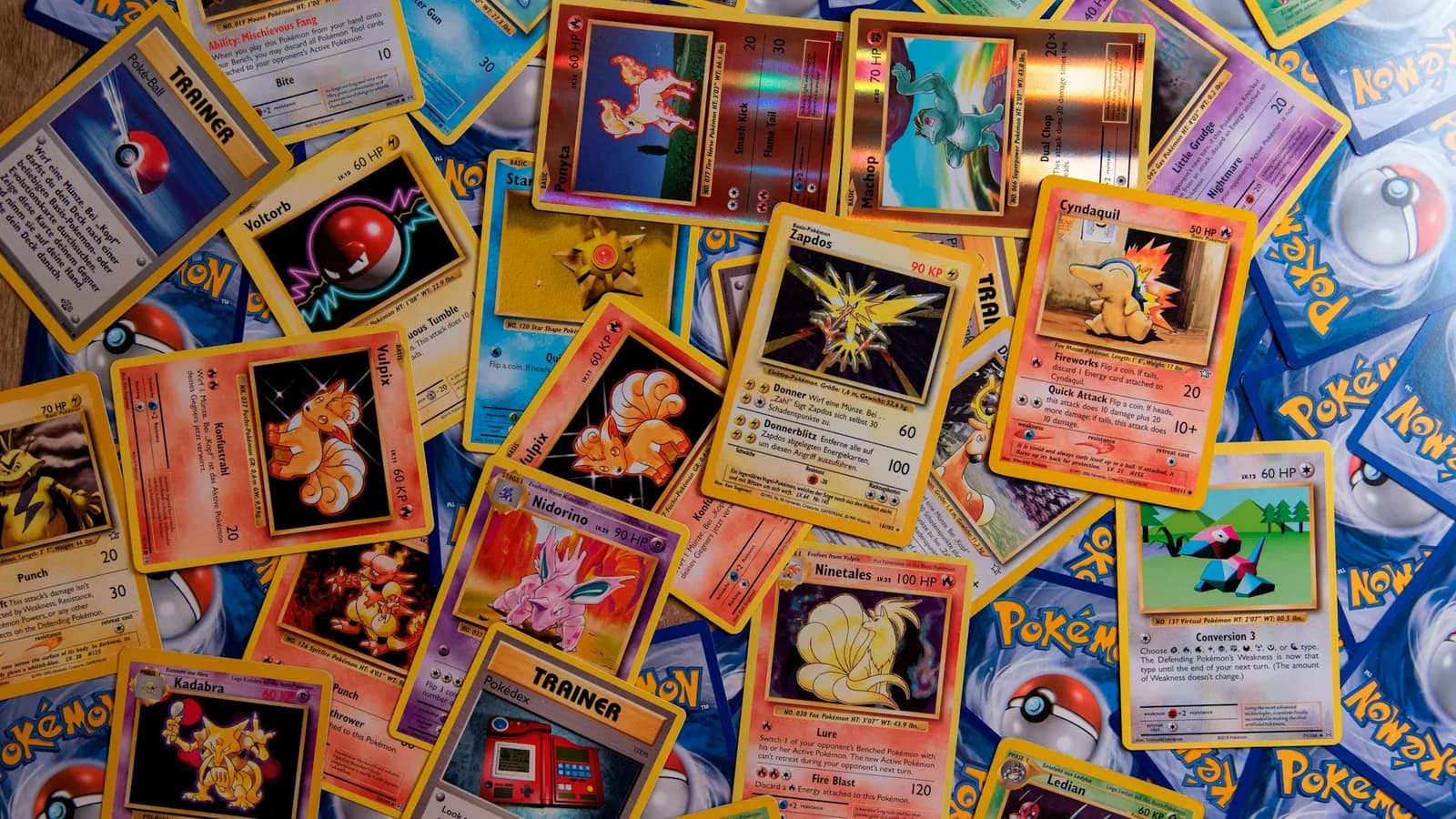
The most searched Pokémon cards in Italy: Charizard, Pikachu, Umbreon
The ten most searched Pokémon on eBay.it, from Charizard to Gyarados, and for each one the catalogue's reference card with its value in October 2026.
Guides5 min read
Fake Pokémon cards: the ten checks we carry out in our lab
Printing, cut, back, holo, weight, light, fonts, price, seller and slab: our expert's ten checks, and what you can do at home.
Want to know what your card is worth?
The catalogue shows the PSA 10 price and the price range of every card, with sources and dates.