Guides4 min read
Near Mint, Excellent, Played: what card conditions actually mean
The Mint, Near Mint, Excellent, Good, Light Played, Played and Poor scale used in Europe, what each grade looks at, and why Near Mint does not mean PSA 10.
The Pokechrono editorial teamPublished 4 October 2026
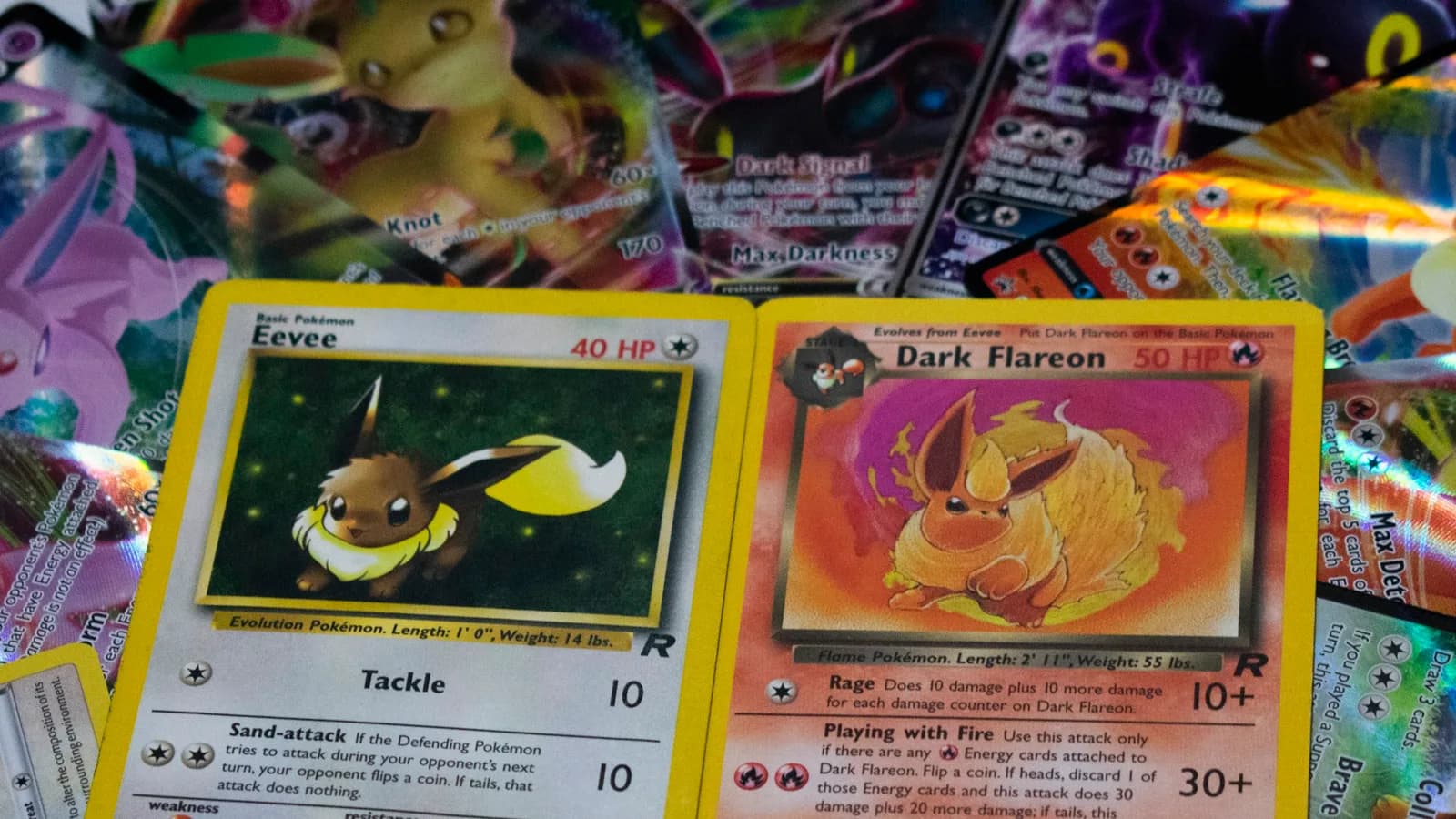
The condition of a card is a scale of seven steps, from Mint to Poor, which in Europe follows the Cardmarket guide. Each step describes edges, corners, surface and creases, and the price drops at every step. But a declared condition is not a certified grade: Near Mint is what the seller says, PSA 10 is what a grading company says after an examination. Let us see what each word means and how we use it.
The seven-step scale
This is the scale used by Cardmarket, and therefore by most European sellers.
- Mint: the card is as if fresh from the pack, without any visible mark, even under a loupe.
- Near Mint: to the naked eye it looks perfect; with attention you may find a minimal flaw, a corner barely touched, an edge with a hint of white.
- Excellent: the card has been handled with care, but shows small marks: light whitening on the edges, a rounded corner, a few fine scratches on the surface.
- Good: obvious signs of use, whitening on the edges, scratches, worn corners, but no crease.
- Light Played: clearly played, with widespread wear and possibly light signs of creasing.
- Played: heavy wear, creases, a marked surface.
- Poor: serious damage: deep creases, tears, stains, writing.
For collecting, the first three steps are what count. From the fourth down we are talking about cards for playing or for filling a binder, and the price says so.
What each step looks at
The four areas are always the same: the edges, the corners, the surface front and back, the absence of creases. What changes from one step to the next is how much flaw is accepted in each.
Whitening on the edges is the most frequent flaw on vintage cards: the blue back wears along the cut line and shows the light cardstock underneath. Corners round off with use. The surface picks up scratches from rubbing against other cards and prints from fingers. A crease, even a light one, drops the card several steps, because it cannot be recovered.
Declared condition and certified grade
Near Mint is a seller's word. Every seller applies it according to their own experience and their own honesty, by eye and with the light they have. PSA 10 is the judgement of a grading company, given with a loupe, controlled light and written criteria, and fixed for good inside a sealed slab with a verifiable certificate.
The two scales do not overlap. A Near Mint card can get an 8, a 9 or a 10, because grading also weighs centring, which the condition scale almost entirely ignores. A vintage card fresh from the pack and never touched can be Mint and get an 8 for factory centring. That is why we do not sell cards "in excellent condition": we sell cards graded PSA 10, where the judgement does not depend on us.
How much condition weighs on the price
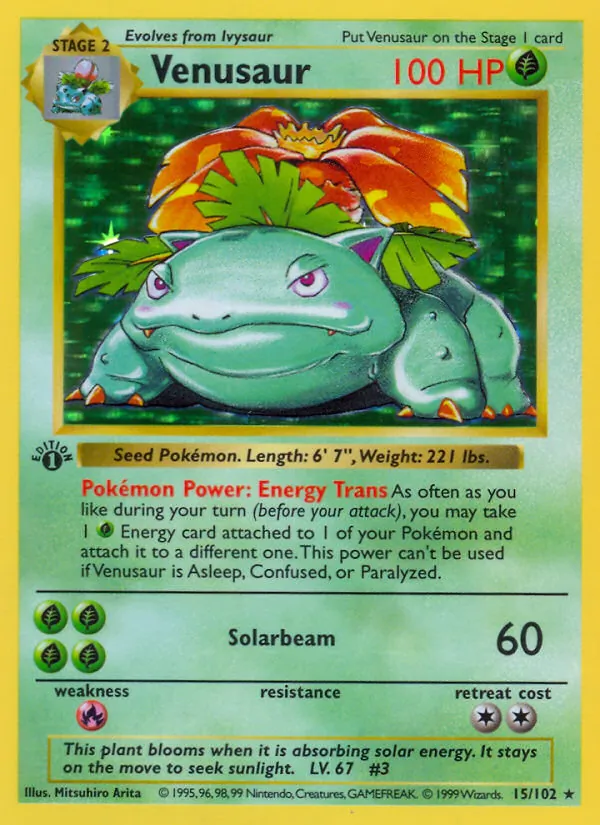
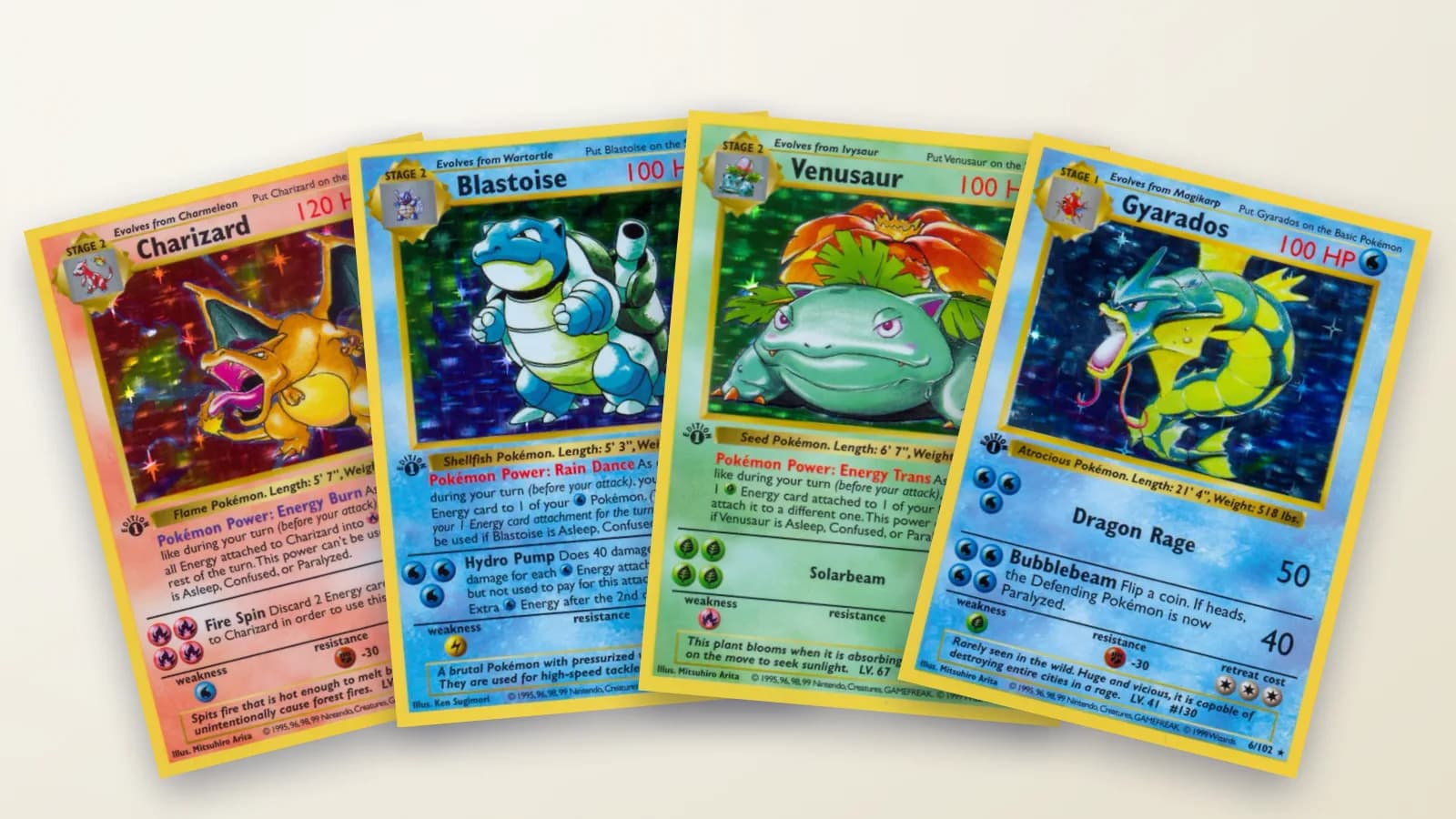
The catalogue figures say it better than any explanation. Venusaur 15/102 from the Base Set is worth between €100 and €600 raw according to the Pokechrono catalogue, October 2026: the same Venusaur, depending on condition, costs six times as much. In PSA 10 it is worth about €4,300 according to PriceCharting, up 135% over twelve months; the 10 is worth about 66 times the raw card and 8 times a PSA 9.
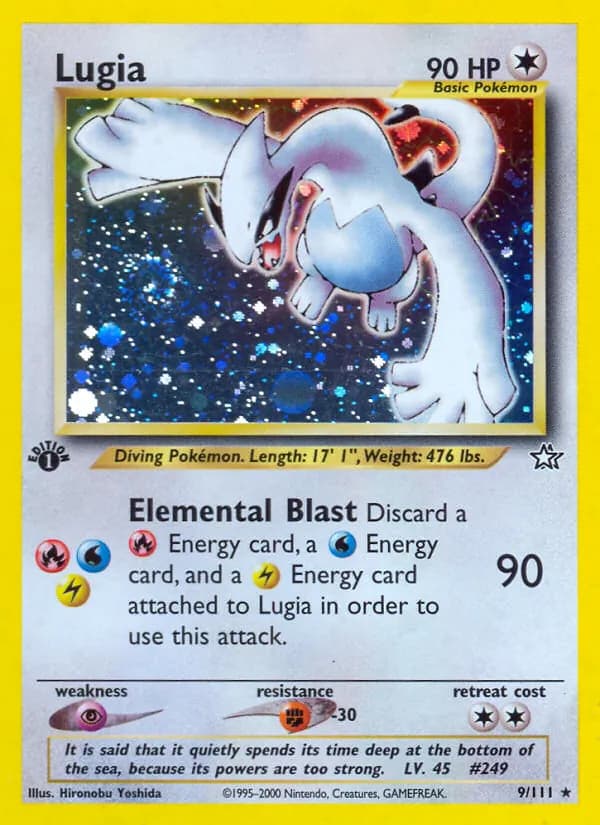
Lugia 9/111 from Neo Genesis takes the reasoning to the extreme: between €300 and €1,500 raw, about €28,700 in PSA 10, with a ratio of 15 times over the PSA 9. Lugia from Neo Genesis is famous for how hard it is to find well centred and without scratches on the holo: almost all the Near Mint copies on the market, once graded, become 8s or 9s. The 10 is a different object.
In short: on vintage, condition multiplies the price by six; the certified grade 10 multiplies it again, because it is rare.
How to photograph a card for appraisal
A remote appraisal is only as good as the photos. Six shots are needed: full front, full back, the four corners close up. Natural light, from the side, no flash: raking light shows scratches and prints, flash hides them and creates reflections on the holo. The card out of its sleeve, on a neutral background, with all the edges in the frame.
One last useful shot is the front in light backlighting, to see the centring: the four borders of the illustration should look similar in width. No special equipment is needed: a phone and a window are enough.
How we confirm or correct the declared condition
Anyone who consigns a card to us states the condition they believe is correct. The card goes to our expert, not to the buyer, and is examined with the same method we use for slabs: loupe, raking light, comparison with a reference. If the declared condition matches, we confirm it in the signed report that accompanies the listing. If it does not match, we correct it and tell the seller before publishing.
For cards at auction there is only one rule: PSA 10, with the certificate shown on the listing. If you have a raw card and want to know which step it sits on, write to us from the contact page with the six photos described above.
- Near Mint
- conditions
- Cardmarket
- grading
- appraisal
Frequently asked questions
Does Near Mint mean PSA 10?
No. Near Mint is a condition declared by the seller on a naked-eye scale; PSA 10 is a grade certified by a grading company after an examination with a loupe and measurements. Many Near Mint cards get an 8 or a 9, and some a 10.
How much does the price change from one condition to the next?
A lot, especially on vintage. Venusaur 15/102 from the Base Set is worth between €100 and €600 raw according to the Pokechrono catalogue, October 2026: the whole spread lies in the condition. In PSA 10 it is worth about €4,300.
How do I photograph a card to have it appraised?
Front and back in full, then the four corners close up, in natural raking light and without flash. The photos must show edges and surface, not hide them. A card out of its sleeve photographs better.
Sources
The cards we talk about
Read next
Grading4 min read
PSA 9 or PSA 10? How much the price changes, card by card
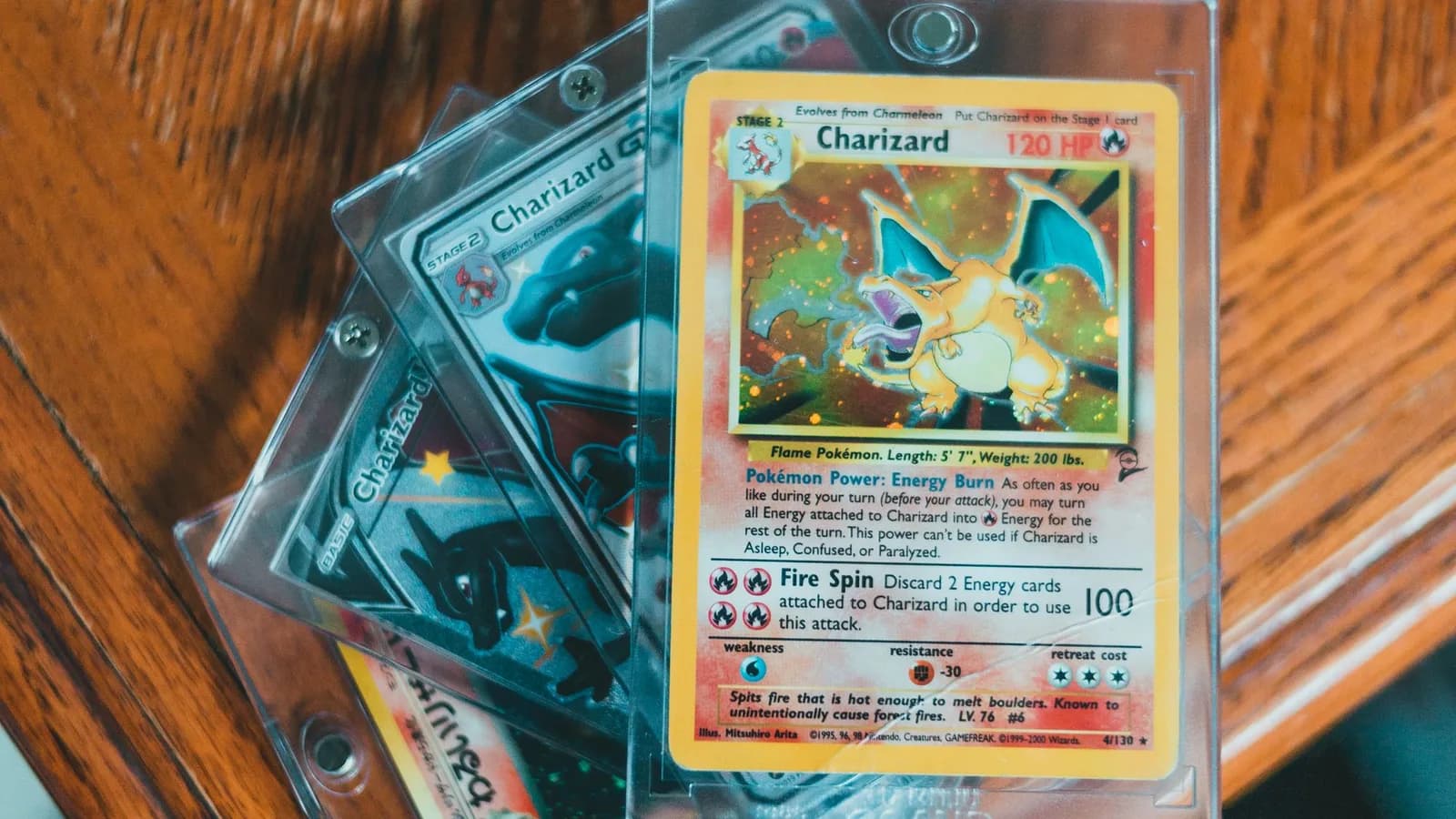
What a PSA 10 is worth against the same card in PSA 9, from the Base Set Charizard to modern alt arts, with the real catalogue ratios for October 2026.
Stories4 min read
Thirty years of Pokémon cards: from 1996 to the 30th Celebration
From the Japanese Base Set of 1996 to the 30th Celebration of 2026: the series, the publishers, the cards that made history and what they are worth today.
Stories4 min read
First Edition, Shadowless, Unlimited: the three Base Set printings
Stamp, shadow on the frame, HP typeface: how to tell the three printings of the 1999 Base Set apart in ten seconds, and what changes in the price.
Want to know what your card is worth?
The catalogue shows the PSA 10 price and the price range of every card, with sources and dates.